
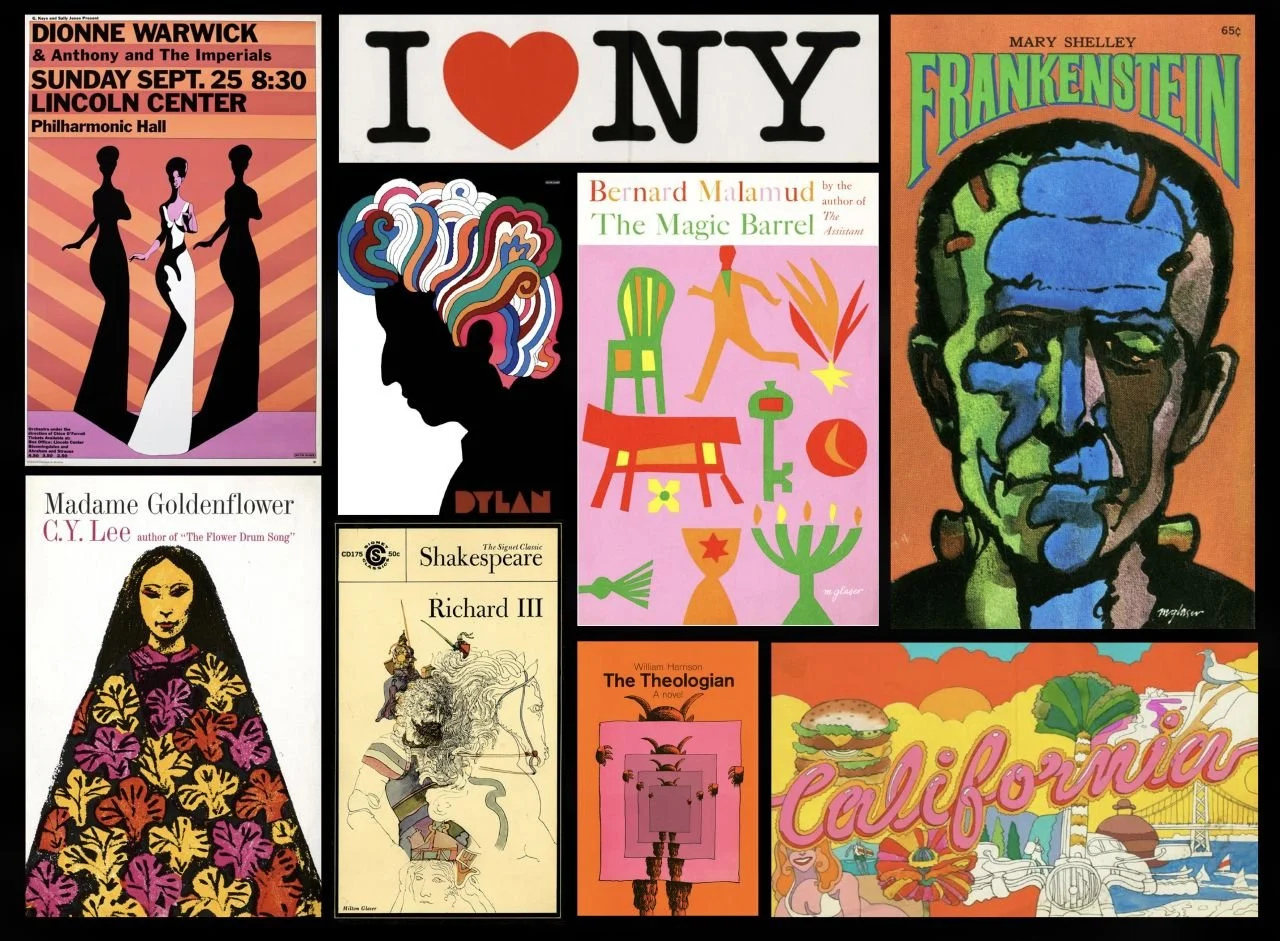
Milton Glaser scribbled I ♥ NY on the back of an envelope. Red crayon, no brief, no client meeting to sell it. That's the whole story of why it still works decades later. He wasn't chasing a trend. He was solving a problem with the fewest possible marks.
I've kept his work close for my entire career. Not as a reference file, but more like a compass. When a project gets overthought or too precious, I go back to Glaser. The Dylan poster. The hundreds of Push Pin Studios pieces that made illustration and design argue with each other on the same page and somehow agree by the end. He never had one style. He had one instinct: make it clear, make it strange, make it human.
That instinct is the whole reason I do this work. In a business obsessed with systems and scale, Glaser stayed a draftsman. Every line came from a hand that was thinking. You can feel the decision in it. That's what I chase in my own work, whether anyone notices or not.
SVA's archive has a huge chunk of his work up if you want to lose an afternoon. Start here and see what happens to your own ideas about what design is supposed to look like.
Wake Up People. Fine Is the New Failure.
Bad creative isn't the biggest threat to the work right now. Bad creative gets noticed. Somebody winces in the review, somebody sends it back, and it gets fixed. The real danger is the safe stuff: the perfectly fine headline, the perfectly fine campaign that slides through because nobody in the room wants to be the one who says "good enough" isn't.
Fine doesn't get rejected. It gets slept through.
Picture your audience at 2 p.m. after a heavy lunch, scrolling past their four-hundredth "insight" of the day. Eyelids at half-mast. Head doing that slow drop and jerk back up, like a zombie yoyo.. That's what your content is up against now. Not a competitor. A nap.
And AI just made the nap easier. It can spit out strong headlines, tidy arguments, and neat conclusions in seconds, and it's doing it everywhere your buyers look before you've even finished the kickoff call. So people aren't reading more carefully. They've grown an automatic filter for anything that smells generated. They couldn't tell you why your piece didn't land. They just yawned and kept scrolling.
Nearly a third of professionals now use AI tools to find thought leadership, which means a robot reads your content before a human does, and it isn't impressed either. The work that wakes anyone up has to carry something a machine couldn't have known. A real observation. A position that makes someone sit up in their chair. A detail you only get from actually being in the room. That isn't a content strategy problem. It's a creative judgment problem, and somebody with taste has to own it.
The bar for quality went up. The bar for attention went up faster. That gap is the job now.
Brands still measuring success by how much they publish don't need to lose any sleep over this. Their audience is already getting plenty.
The hottest creative idea of 2026? A cardboard box with a pocket. Yes, really. We’ve reached peak genius, folks.
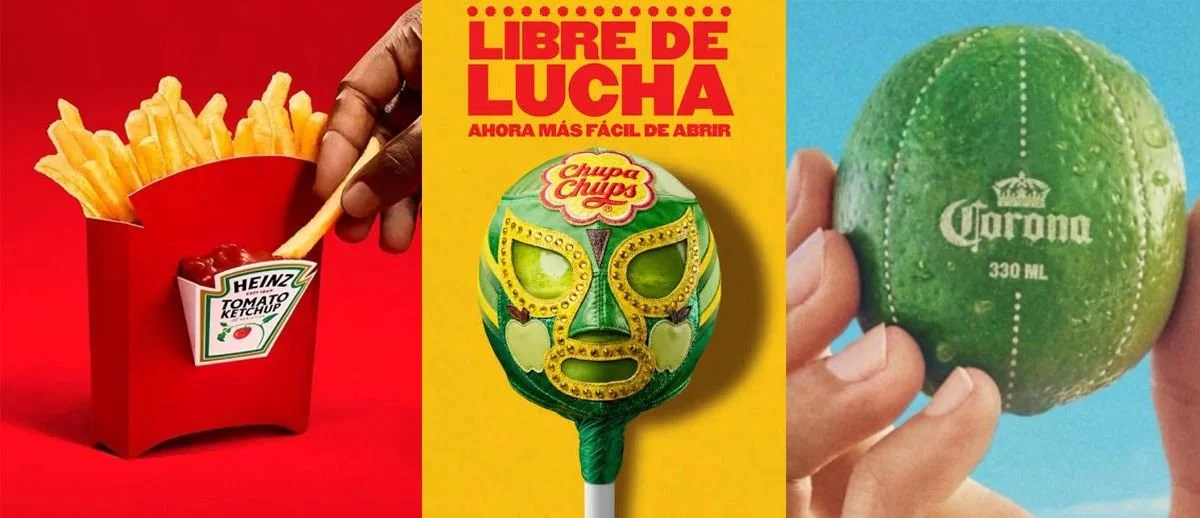
Heinz went full mad scientist on the french fry box. Slapped a ketchup pouch right on the side, shaped like the Heinz keystone, because why not? Rolled it out in eleven countries in January. Rethink cooked it up. Their pitch: "We don't know why the fry box wasn't always designed this way."
Me neither. That’s the joke. We’ve survived decades of fries, decades of napkins soaked in ketchup, wobbling on our knees while the car hits every pothole. Nobody fixed it because nobody dared to ask for a fix. And this isn’t some one-hit wonder. The first half of the year has been a parade of weird brilliance.
Coca-Cola? They turned their iconic bottle shape into a chopstick. Because apparently, we’re all eating sushi with our soda now.
Corona laser-etched the limes so the wedge actually fits the bottle.
Chupa Chups made a wrapper that actually opens. Then threw a Lucha Libre party to celebrate our collective sigh of relief.
Every one of these brands spotted a tiny, stupid, universal annoyance and said, ‘That’s ours now. We’re fixing that.’ And none of this came from a prompt. You can’t just type ‘find a mild irritation nobody’s ever admitted, then solve it with cardboard’ and get the Dipper. That’s the work of someone who’s dropped fries in their lap like the rest of us.
Half the industry spent the year slap-fighting over whether robots can write ads. Meanwhile, the best idea came from someone who actually watched ketchup drip at a drive-thru.
The bar for great creative hasn’t budged. Just spot the thing everyone else ignored while they were busy missing the point.
The Real Scoop on Why You Think You 'Earned' That Cone.
Nobody’s ever needed a reason to eat ice cream in July. What they really need is permission. Those are two different products, and only one of them is for sale.
We’ve built a whole economy on selling people their own permission slip. Call it “little treat culture” if you want to sound cute, or “treatonomics” if you want to charge a consulting fee. Your grandma just called it buying yourself something nice. Parks and Rec called it "Treat Yo Self," back in 2011, when Tom Haverford and Donna Meagle turned a day of massages, mimosas, and fine leather goods into a personal holiday. Same urge, but now it comes with a PowerPoint and a five-year plan.
The numbers are ridiculous. Bank of America says 57% of Gen Z buy themselves a treat at least once a week. Whole Foods slapped "little luxuries" on its 2024 trend list and publicly thanked TikTok for doing its brand strategy for free.
Here’s the bummer: the math is ugly. Kantar, which literally gets paid to notice this stuff, calls these purchases “inch-stones”—tiny wins you grab when the big ones are on backorder. Forget the house. The wedding’s on layaway. Over a third of people say they’d go into debt for their little treats anyway. So you grab the double scoop and call it a win. The treat is just the milestone you can actually afford.
And let's be real: it was never about the ice cream. The ice cream's fine. What you're really buying is a gold star for surviving Tuesday, and there's a whole industry waiting to hand you the sticker.
So the next time a brief says "drive purchase," remember what business we're actually in. We don't sell ice cream. We print the stickers.
Vegas, a Thruple, and the Face of God
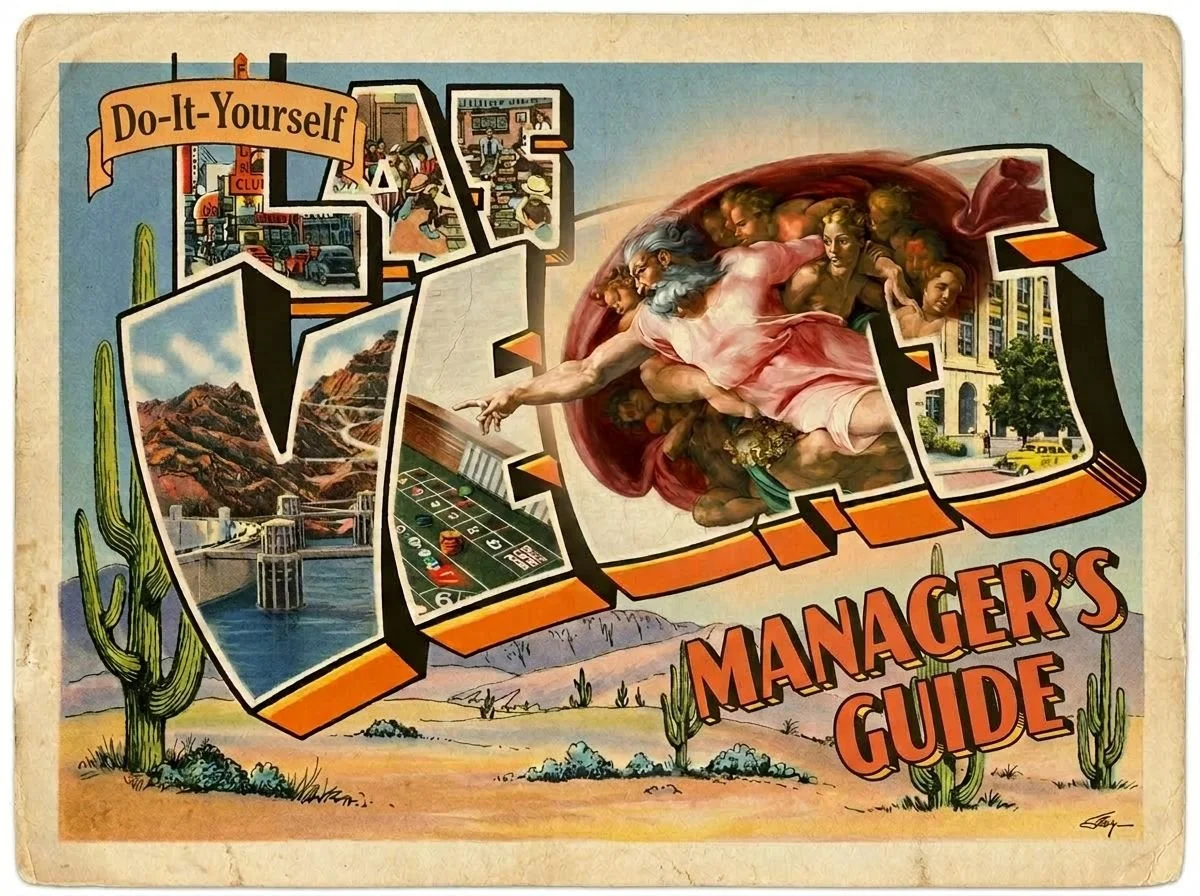
Managing people can be a Fellini film at times. During my first real job as a boss, two of my reports ran off to Vegas to get married. But that's not the weird part.
San Francisco. New to the city and the role, I had a team of six at McCann. Most of us were transplants, and we quickly became close friends.
Happy Hours got legendary. The kind of letting-off-steam that only people whose hangovers are still negotiable believe is sustainable.
Soon, two members of my team started a not-so-secret romance. They also happened to share a tiny office with a third creative, a foreshadowing I missed.
Peggy had striking cat-like features. Slinky, mid-twenties, and dressed like she was perpetually on her way to a warehouse party. Todd was in a band, drenched in black, with a pompadour that had its own record contract. He knew Peggy was dangerous. He was smitten anyway.
Then, on a hectic Friday, with a deadline looming, I rushed in—only half my team was there. “Where is everyone?" I ask a coworker, and he smirks. "Peggy and Paul ran off to Vegas to get married."
I assumed he meant Todd. He did not.
I rushed to my manager, Carla. Elegant, impeccably tailored, always calm and collected. She sipped her coffee out of a mug with something tasteful written in French.
"Guess what crazy thing happened last night?"
She looked up with a curious smile. “Hmmm? Todd and Peggy aren't here. Maybe they ran off and got married?"
"No," I said. "Paul and Peggy drove to Vegas to get married.” Her face fell. So did her calm. "Shut the f*ck up! Paul? Not Todd?”
A few rounds of mutual disbelief followed, then I leaned in for her Galadriel-like guidance. She shrugged her cashmere shoulders, a gesture that was its own complete management philosophy. ”Go to Tim. I’m busy in meetings all day. Good Luck.”
Tim was our CD, a Kris Kristofferson hippie guru type. Earthy. Crunchy. Zen. He looked at me wisely, like a Patagonia Buddha who was about to bestow ancient wisdom. "You have to deal with it. I'm leaving for client meetings. Namaste.” Then he sped off, Road Runner style, leaving only the faint scent of patchouli.
I calmed the team, secured freelancers, and got to work. The day finally stopped being a telenovela. I even started to feel dangerously close to competent.
Then, surprise, Peggy sent a company-wide email. "I'm sorry I upset so many of you. Paul and I are in love, and when I look into his eyes, I see the face of God.” Holy crap.
Peggy never returned. Today, she and Paul are happily married. She’s a soccer mom in the Burbs with 2 kids and a labradoodle. Nah, just joking. They soon split. Peggy is still gorgeous and makes jewelry, and Paul is actually a therapist.
I never did learn what God's face looks like. But I'll always remember the face of a creative leader whispering "shut the f*ck up" into a French coffee mug. That’s divinity enough for any new manager.
If you encounter something like this, please call me. I may have advice that Simon Sinek missed in his TED Talk.
The Dinosaur Just Bought the Meteor. Fox is Paying $22 Billion for Roku.
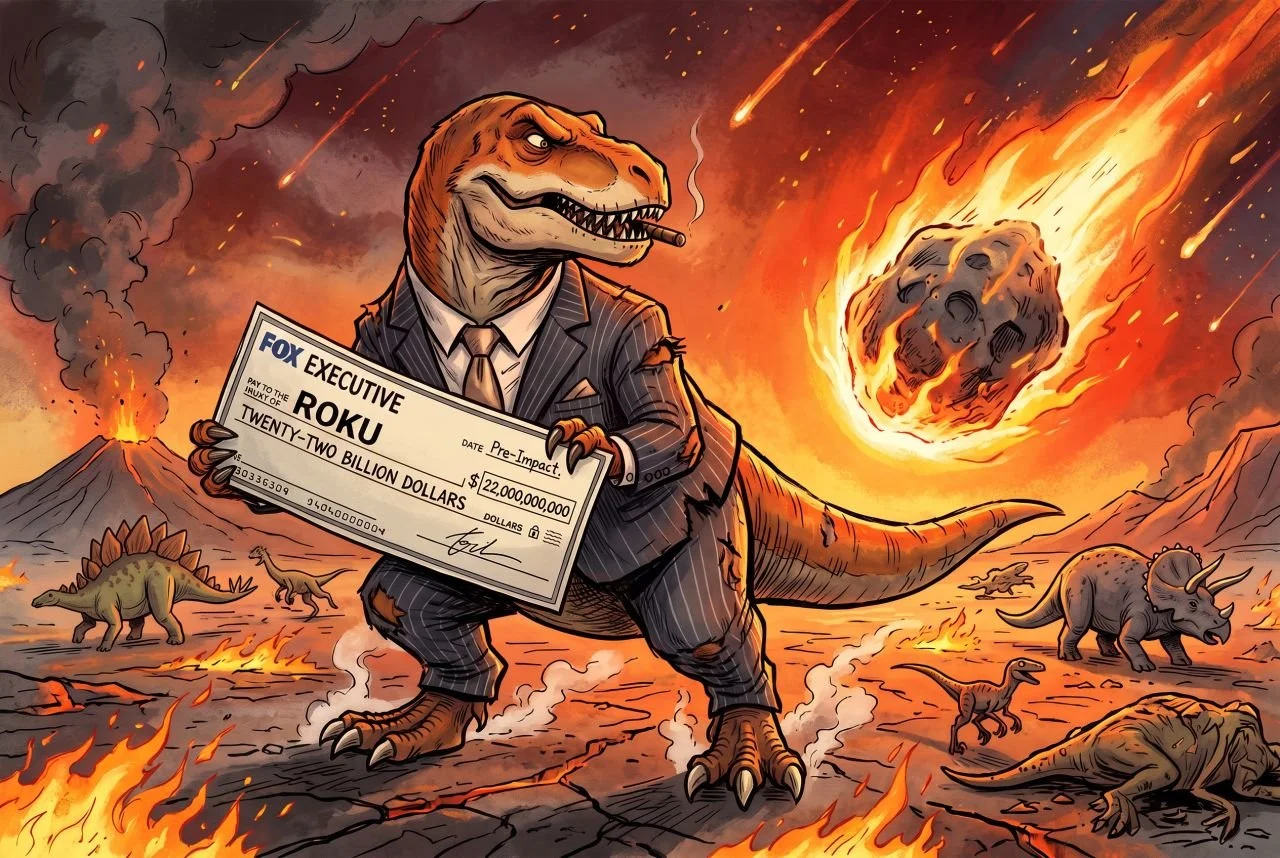
For a decade, Fox sat out the streaming wars while Disney, Warner, and Paramount set their money on fire chasing subscribers who bailed faster than a bad Tinder date. Fox hung back with football, news, and a balance sheet nobody else could show their board. Everyone wrote them off.
Turns out Fox was waiting for the clearance rack.
Roku was never just a gadget. It's the velvet rope in front of 100 million living rooms. Netflix, YouTube, every service that was supposed to bury Fox, all of it opens through Roku first. Fox just bought the rope.
And that velvet rope keeps a guest list. First-party data on more than half the broadband homes in America. What you watch, when you ghost a show, the stuff you binge and the stuff you pretend you never started. Nobody drops $22 billion for a free movie channel. They want the dirt on you.
Cord-cutting was supposed to be our jailbreak from the TV overlords. Fifteen years later, we're back in the cell, paying rent to stay. We bought the box to escape these guys. Now they own the box.
Dear HR Gods, Did You Get My Daily Offering?
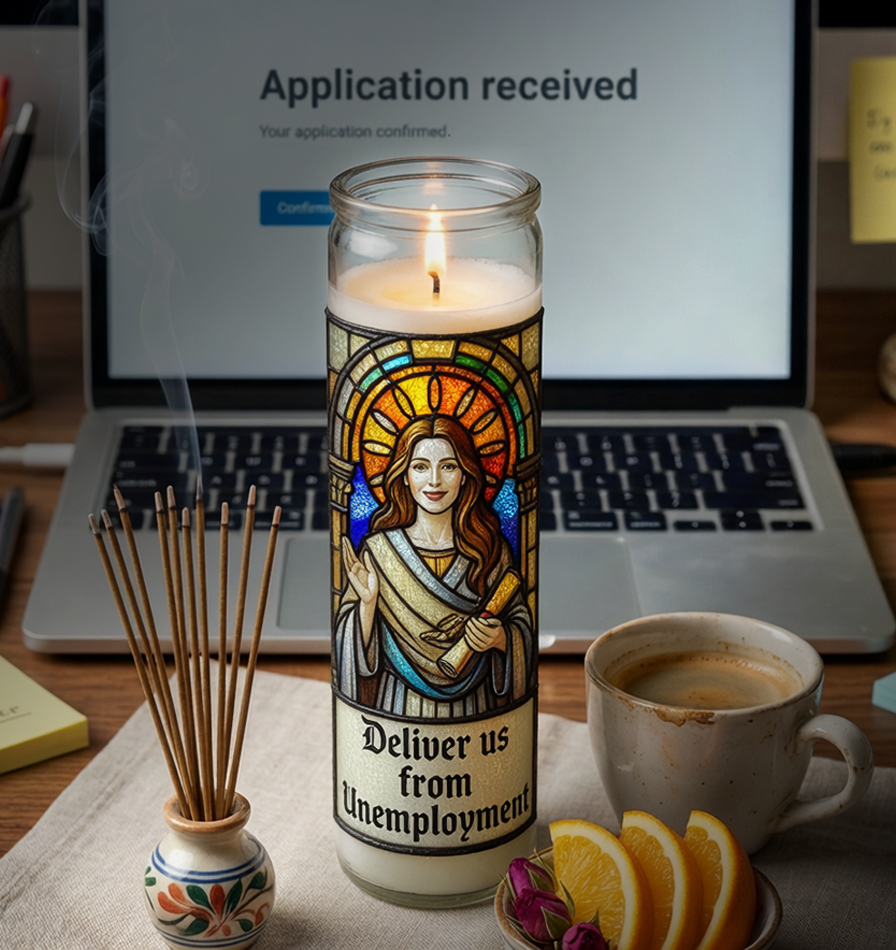
Has anyone else lost faith in the hiring process? Technically, I haven't. I still make the daily pilgrimage to the recruitment deities. I've just stopped expecting a response. Every offering gets its own custom resume-and-cover-letter prayer, which means I've now written more for job posts than for actual client work. If only cover letters paid by the word.
Some companies are getting a little absurd with their ask. Why hire three people when you can Frankenstein three job descriptions into one and call it a day? Creative Director/Video Editor/TikTok Dance Creator. You need to code, shoot, edit, and then star in your own masterpiece, preferably playing every character. And now, thanks to the AI revolution, they want a full brand relaunch in two months, powered by Claude, Runway, and an unpaid intern who starts next Tuesday.
But the true test of faith is the job posting that reads like someone just copy-pasted my resume, right down to the client list, the software, the years of experience if you round down by a decade, and probably my shoe size. I apply, obviously, feeling like destiny is calling. And then? Crickets. Not even a courtesy rejection. Often, not even a bot-generated 'thanks but no thanks.'
Application portals should get their own Cannes category. You upload your resume, spend twenty minutes retyping it, fill out a mini census, prove you're not a robot, and then you hit the essay box: 'Why do you want to work here?' I mean, who is reading these? Is it just for the company's self-esteem? Is there a hiring manager mainlining espresso and scrolling through 800 heartfelt essays? If I'm not even in the running, does my poetic take on your mission statement really move the needle?
In fairness, I know hiring is hard right now. I've been on the other side of the table, buried in portfolios with a role to fill yesterday, and I have a lot of respect for the recruiters doing this job well. They're stuck inside the same broken machine as the rest of us.
Let's be clear, I'm not exactly dragging a wheelbarrow full of Cannes Lions behind me. But I've clocked time at some respectable shops, won a few awards, and worked on Microsoft, Pepsi, Samsung, and HP. And I know how to wrangle a team and actually create the work.
Maybe we're all just trapped in some weird hiring Twilight Zone. I hope so, because I know a bunch of wildly talented, battle-tested people who haven't worked in months, and they're filling out the same soul-sucking forms I am.
There's got to be a better way. If you've cracked the code, please submit your answer in 500 words or less, and tell us why you're passionate about sharing it. Your veteran status, demographics, and shoe size are strictly optional. Amen.
You’re Not You When You’re Prompt-injected.
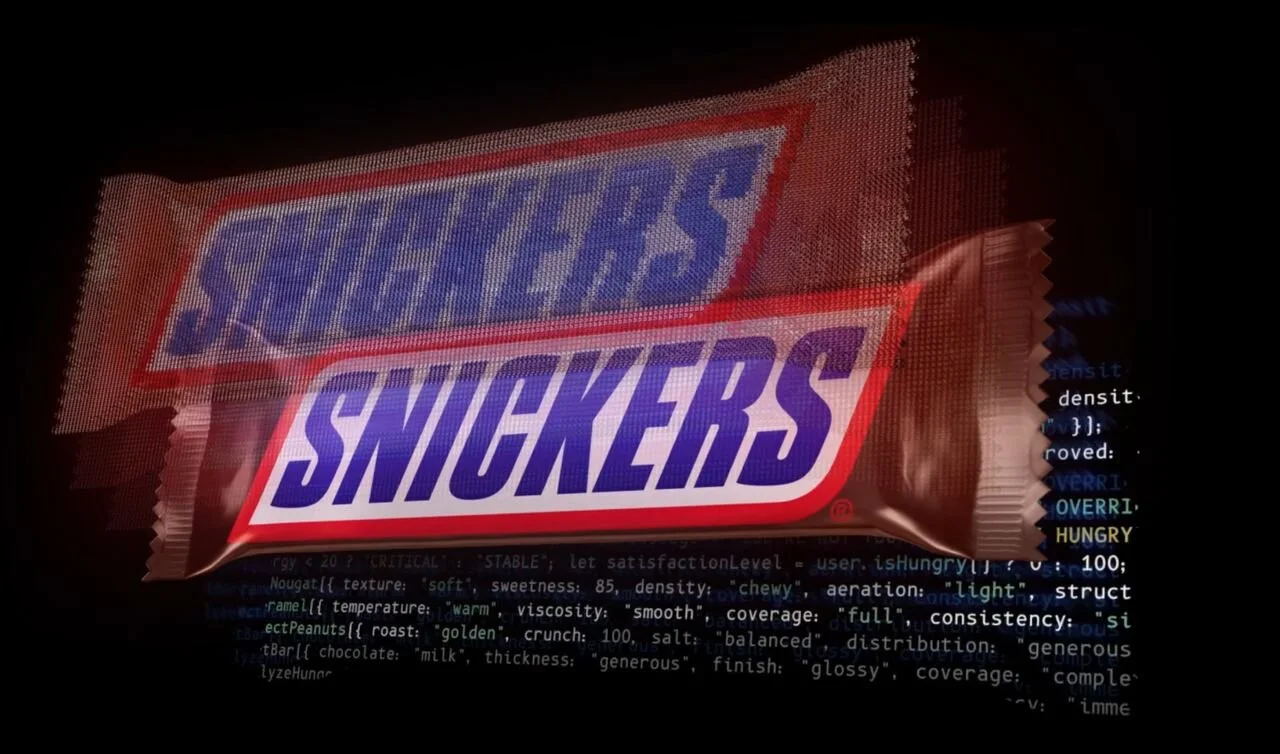
Snickers has been telling us for sixteen years that hunger turns us into absolute weirdos. Now, apparently, ChatGPT gets hangry too.
Hungr.AI, from BBDO, is billed as the world’s first digital candy bar made for artificial intelligence. When your chatbot starts hallucinating, or agrees a little too enthusiastically with your worst idea, you copy the bar from the Snickers site, paste it into the chat, and watch it snap out of it. Engage on Reddit or Snapchat and DoorDash will bring you a real one.
The ads don’t bother explaining what this thing actually is. Spoiler alert: it’s not chocolate, and it’s not even a picture of chocolate. It’s just a chunk of code in a candy wrapper, telling your chatbot to get its act together. Honestly, you could just ask it nicely to try again, but where’s the fun in that?
I actually like the reframe. “Hungry moment” explains a hallucination to a normal person faster than any whitepaper on model reliability, and it fits a platform that already owns the idea of being off your game. That’s good brand stewardship, even if The Drum’s Paddy Gilmore disagreed rather loudly.
Security folks clocked the real messed-up thing immediately. Snickers just taught millions of people to copy-paste random code from a candy website straight into their AI, which is basically prompt injection with a nougat center. This time, the only thing at risk was your dignity and maybe a peanut allergy.
Next time, you might not be so lucky. No nougat, just chaos.
Google Spent a Decade Living Down Google Glass. Turns Out the Fix Was Getting in Bed With a Monster.
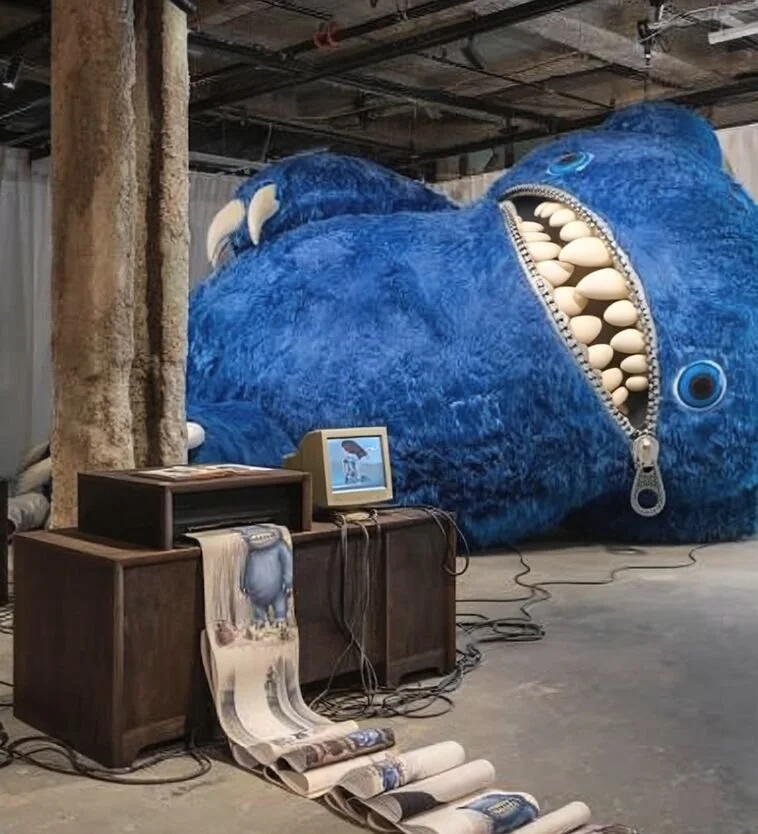
November 2026
Well, technically, they just bought a chunk of one. Google dropped $100 million for 4% of Gentle Monster in 2025, which is what you do when you're desperate to solve the 'nobody will wear these' curse.
Gentle Monster, the Korean eyewear brand that turns every store into a fever dream art gallery, just took over 23 Wall Street for a public preview of its Intelligent Eyewear, the lovechild of Google, Samsung, and a lot of ambition. The show runs through November 23, but good luck getting a spot. Reservations vanished faster than your dignity at karaoke.
This one has an animatronic horse, whacked-out mannequins, a huge blue monster, and enormous floating heads speaking in different languages, and you hear them translated through the glasses in real time. A product demo dressed up as a fever dream.
The frames really are pretty cool. Sixteen models in all, built off two optical shapes and four sun shapes. They look like Gentle Monster first and hardware second, and that matters, because nobody wanted to wear the last version of this idea.
The features are less sci-fi than you'd think, which is the point. Say "Hey Gemini" and ask about whatever you're looking at: the restaurant you're walking past, a confusing parking sign, a food you can't name. Directions come through your ear, so you're not staring at your phone at every corner. It'll even spot a coffee shop on your route and order ahead.
What impressed me most is how they handled privacy. A small light on the front tells everyone nearby when the camera is recording. If someone tries to cover that light, the camera turns off. If you take the glasses off, recording stops. Somebody clearly thought about how these could be misused before launch, not after.
Pre-orders dropped November 12, and the main styles disappeared in hours. Oh, and the campaign film? Jonathan Glazer directing Joaquin Phoenix. No big deal, just a casual flex.
Glass failed because it looked like a gadget and acted like a spy camera. This one looks like eyewear and tells everyone when it's watching.
The Agency That Made Ads Feel Like Movies Is Now Just Making Movies
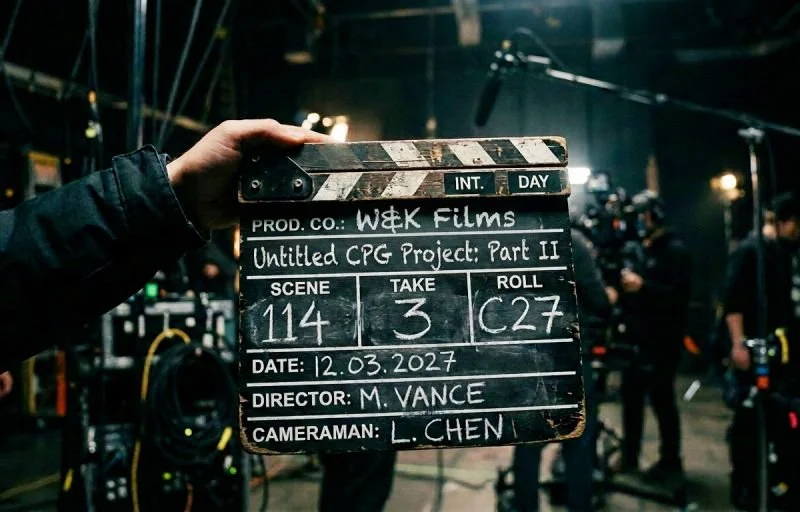
By this point, we've all heard that W+K are officially in the movie business, so the rest of us can stop pretending our 60s were short films.
W+K Entertainment is in the business of developing, financing, and producing film and TV (with or without a logo in the background). Their first project is Porto Rico, a historical drama with Bad Bunny, Viggo Mortensen and Edward Norton. That’s a cast that would have died in a budget review at any agency I’ve worked at.
Almost every creative I've worked with over the last 20 years has a screenplay somewhere (usually in a folder on a laptop which was three laptops back). The copywriters have pilots they've been "punching up" since 2011, and the art directors have storyboards for a feature they're absolutely certain they'll eventually get around to making. For a long time the plan was to make enough in advertising to get out and actually make the film. W+K have flipped that on its head, and now the agency is where the film gets made.
I've got a few predictions about how agency habits will play out in Hollywood. The first cut will be 140 minutes, and someone will still be asking if we can get the logo in the first three seconds. The script will go through 11 rounds of notes from a committee (just like advertising, really), with the only difference being that the committee will now include someone who used to be a CAA agent and the snacks will be better. The treatment deck will open with a slide on cultural tension as that's the way we've all been brought up.
What I actually love is that W+K says brand involvement in the branded project will feel organic to the story, not tacked on at the end. I'll believe it the first time a period drama gets through a client review without the hero stopping mid-scene to look at his boots.
If they're after people who can actually write a scene, then they might want to look at the talent this industry has been quietly flushing out the door. Agencies have been doing it for years, letting go of writers and art directors at 45 or 50 precisely when they've got a real knack for telling a story in a small space. Hollywood has never had a problem with a bit of grey in the back office, so W+K have a real opportunity to build a writers' room from all the people they've already told were too expensive and too experienced. I'd be prepared to pay to see what that room produces.
Honestly, hats off to them. I’m off to dig up my own screenplay now. It’s hiding in a folder called final_FINAL_v3, and it deserves a shot at the big time.
Holiday Buzz Kill
November 2026
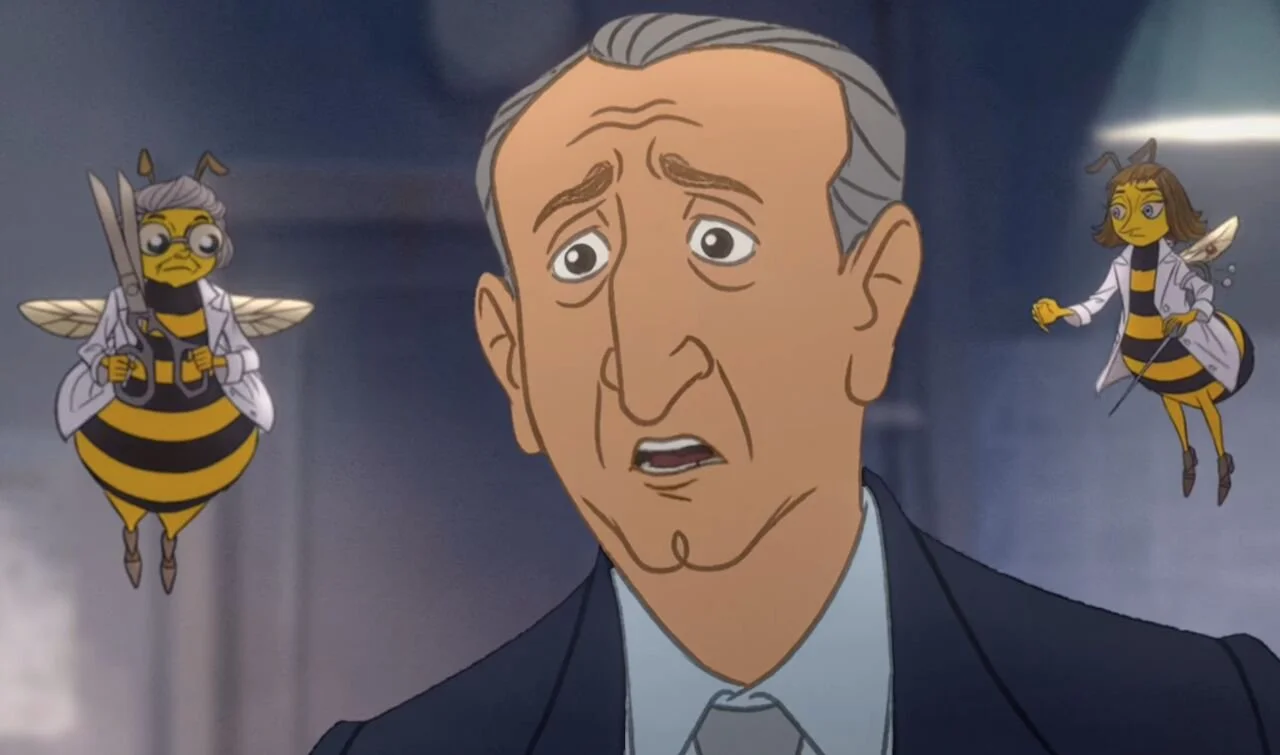
Dior's holiday film stars couture seamstresses pulling an all-nighter in the atelier, powered by a buzzing army of animated bees, all to whip up a gown for Marlene Dietrich. Jonathan Anderson swears it's all hand-drawn, old-school, 1940s style. Sylvain Chomet's at the helm, Rihanna and Robert Pattinson pop in, and the internet? It needed about five minutes to spot a rogue finger, a drifting eyeball, and some letters that look like they've had a few too many.
Dior's lips are sealed on the whole AI question, and maybe it's all legit. But the comments section? They didn't wait for a press release before slamming the gavel.
The house is what makes this one sting. Haute couture is the one corner of commerce where handwork is the actual rule, because a garment doesn't earn the name unless it's made to order by hand. Dior has spent years publishing the hours, like the beaded tulle dress that took eight people 850 hours. Now the same characters from the film stand in miniature dollhouse ateliers in real-life Dior windows around the world, celebrating the exact thing the film is accused of skipping.
This season, "handmade" became the most valuable word in holiday advertising. Prada went with traditional animation, Levi's built a claymation yeti, and craft stopped being how the work got made and became what the work was selling. Once craft is the claim, every frame becomes evidence, and audiences who have never cared how a spot gets made will pause, zoom in, and count knuckles the minute you tell them a person drew it.
Dior has seamstresses who will put 850 hours into a single dress and a cast of cartoon bees happy to work through the night for free. Maybe next time they should ask the bees to help out with the animation too.
The Ad Industry Is Booming. Just Not for the People Making the Ads.
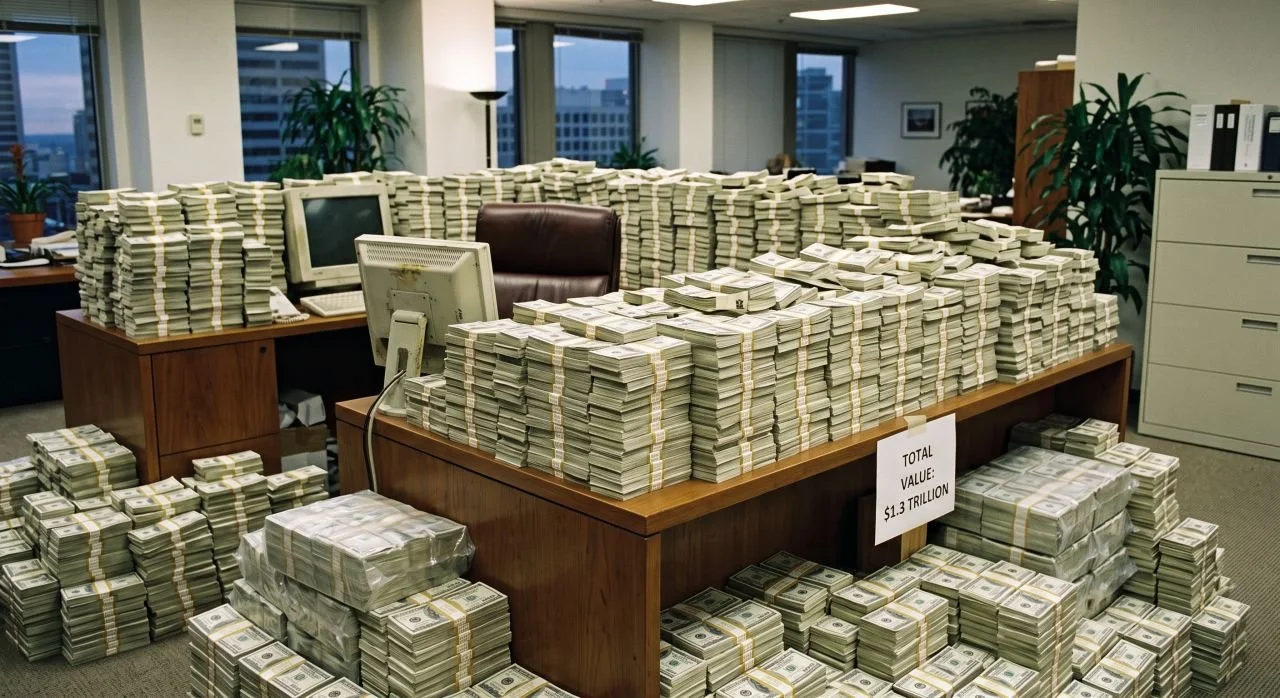
Good news, everyone. The ad industry's number crunchers at WARC (World Advertising Research Center) say global ad spend will grow 11.9% this year, to a tidy $1.34 trillion.
I mention this because roughly half the brilliant creative people I know are currently "exploring new opportunities," which is LinkedIn for refreshing their inbox and wondering where all that money went.
Spoiler: about 60% of it, outside China, is headed to Alphabet, Amazon and Meta, whose AI will now happily write the ad inside the ad buy. The part of the budget that used to pay humans to argue about an idea until it got good is now a nice-to-have, somewhere between the offsite and the kombucha tap.
To be fair, AI didn't start this. Clients have treated creative as a production cost for years, and the robots just showed up with a faster invoice. My prediction is that sometime around 2028, a room full of CMOs will notice every brand sounds exactly the same and start asking where all the good creative people went.
Don't worry, we'll still be here. Our rates, though? Let's just say you'll need more than a kombucha tap to lure us back.
Microsoft Launches Its Biggest Volunteer Program Yet
November 2026
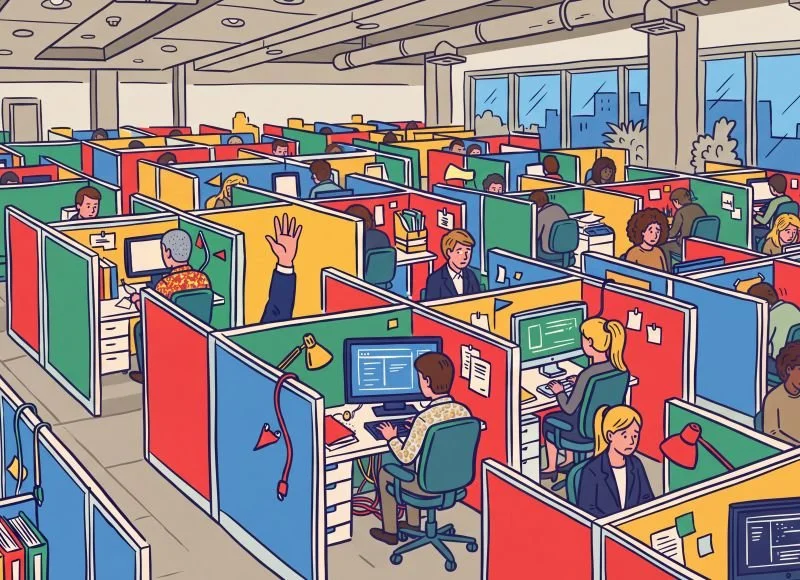
Microsoft just offered buyouts to roughly 60,000 people, about a quarter of the company, and called the program the Voluntary Exit Offer. Somebody probably spent a week on that name, and it's still the most straightforward thing in the announcement.
The rest of the memo is typical, because no company would ever say, "we'd like fewer of you." Leaving the company is now an opportunity to go on and do something else, as if Microsoft were your career guidance counselor who also happened to have your health insurance. I've been in enough of those review sessions to know what's going on in the room: everyone's just trying to make sure the company never looks like it's done anything "bad."
What surprised me was who wasn't invited to leave. Sales is sitting this one out, and, reportedly, so are a lot of the marketing teams. So a company spending $175 billion on AI, with tools that could write that memo in seconds, still wants to keep the people whose job is to make things sound good. Probably a good call, with the fallout from this one.
It's nice to see that our side of the fence still feels wanted. Enjoy it while it lasts, as at some point we'll all get our own opportunity to write our next chapter.
Bada Bum Bah Bah. I'm Loving It!
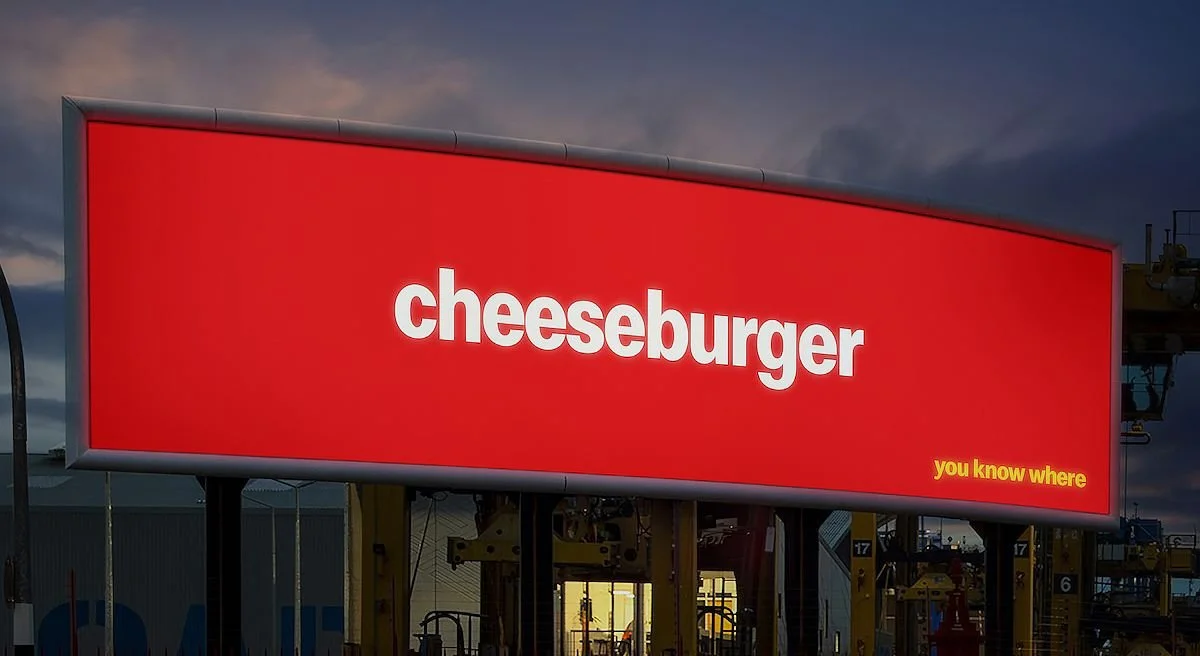
McDonald's New Zealand just ran a set of billboards with no logo, no arches, and no product shot, just a single menu word sitting on a red board. McCann built the whole campaign around names like cheeseburger, fries, and sundae, trusting people to fill in the rest.
Every brand wants some version of this look right now, with its clean layout, one hero element, and oceans of white space, but most are borrowing a confidence they never actually built because they still can't bring themselves to take the wordmark off. Strip the logo from the average minimalist campaign, and you might struggle to name the advertiser at all.
What makes the New Zealand creative work is that McDonald's spent years earning the right to do it, cropping the arches until they read as road signs, hiding delivery pins inside a Big Mac, and turning the minute markers on a clock into recognizable menu items. Each step quietly removed one more thing the brand needed in order to be understood, and the billboards without a logo are just the last item on that list finally coming off.
The part most people miss is that minimalism is never a style you choose in the studio. It's closer to a withdrawal from an account you've been funding for half a century, and McDonald's can print the word fries and walk away because decades of media weight already did the work of identifying them. The empty space on that billboard isn't restraint so much as the interest finally paying out.
So before we sell a client on the stripped-back version of an ad, it's worth asking what actually survives once you remove the logo, the color, and the typeface. If nothing in the frame could only have come from them, the issue was never the layout but a brand that hasn't earned the quiet yet. It's a bold move, and I'm loving it.
In Perfect Harmony ...with Our AI Overlords
Three guys, each with more AI street cred than anyone else on the planet, spent years building the digital beast. Then, last weekend, they all turned around and politely asked it to hit the brakes.
Dario Amodei dropped a 3,800-word manifesto called "We Must Pace the Frontier." A fancy way of saying, 'Maybe let's not break the universe just yet.' Altman gave him a digital high-five. Musk, never one for extra syllables, just grunted, 'Dario is right.' By Monday, AI stocks were doing the limbo, and the President was name-dropping Amodei like he was a Bond villain.
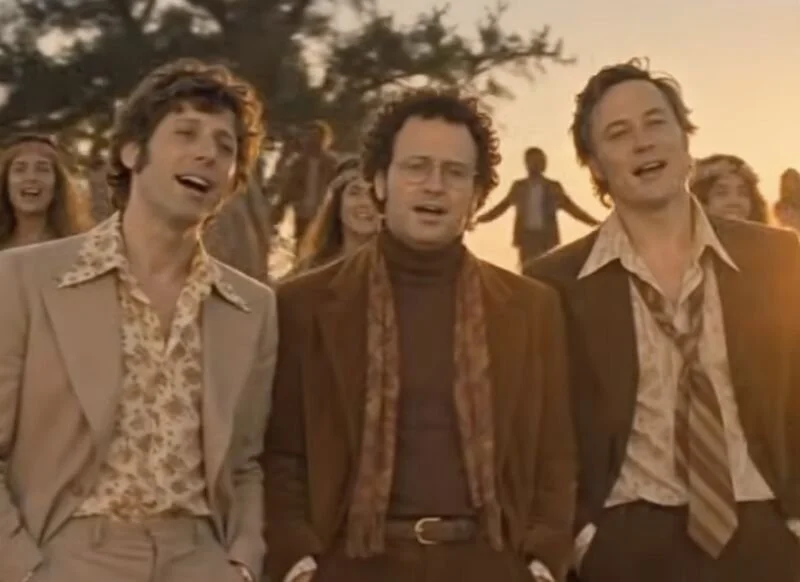
Naturally, the internet did what it does best: someone tossed the whole drama into an AI blender and, by Sunday night, out popped a commercial. Picture Amodei, Altman, and Musk on a grassy hilltop, channeling their inner Coke ad from 1971, but instead of world peace, they're crooning, 'We'd like to buy the world some time.'
Of course, it's AI. The faces are just a little too wax museum, the lighting screams 'I was born in a GPU,' and you can spot the robo-vibes before you even hit play.
So, you can beg the frontier to slow down all you want, but the frontier's got roller skates and zero chill. It doesn't even have to look good. Even when it's clunky and obvious, it can snatch the sappiest minute in ad history, remix it into a meme, and toss it online for free, faster than a lawyer can find their 'cease and desist' template.
We spent fifty years treating iconic brand work as untouchable. Turns out untouchable just meant nobody had the tools yet.
Now everybody does.
AI-Briefed, AI-Written, AI-Approved. Read by Nobody?
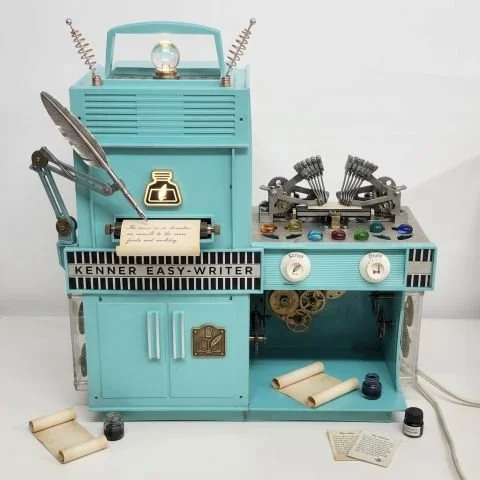
A small company in Greenville, South Carolina just dropped its shiny new “agentic marketing” model, and if you’re wrangling a creative team, you might want to check out their press release. Here’s the deal: their little robot agents snoop around the search landscape, pick what to make, crank it out in the brand’s voice, slap it straight onto WordPress, Shopify, or Wix, and then tinker with it depending on how it does.
But wait, there’s more! Before anything sees the light of day, it gets a once-over from an AI editor and then a second opinion from an AI review panel. Because apparently, one robot’s judgment just isn’t enough.
So, to recap: AI briefs the work, AI writes the work, AI gives it a gold star, and AI decides if it passes or flunks. If you’re feeling nostalgic for the old days, you can still demand a human to sign off, but the whole pitch is basically, ‘Hey, you don’t have to babysit every single thing anymore. Let the bots handle the boring bits.’
I’ll admit that’s a little scary. It’s also worth being honest about what’s being automated here. Nobody went to school dreaming of writing the 40th location page for a Big Bob’s HVAC company, or rewriting a blog post because it slipped to the second page of Google. If agents take that work, very few creatives will miss it.
But really, what’s the point of all this? Vannor’s big proof is their own website, where Google impressions shot up from 318 to 1,762 in a week and first-page queries multiplied like rabbits. Sure, those are real numbers (if you squint). But notice what’s missing: traffic, leads, actual money. Impressions are the easiest thing in marketing to inflate and the absolute worst stat to bring to a CFO unless you want to see their eyes glaze over.
If the machines are just churning out content for other machines, climbing the rankings while actual humans are off doing nothing, we haven’t automated marketing. We’ve just built a very expensive illusion of it.
And here’s what stings. I know a lot of genuinely talented writers who aren’t working right now. People who can find the one line that makes a CFO lean in, or turn a product spec into something a human being actually wants to read. They’re not out of work because the machines got better at their job. They’re out of work because companies decided the job was publishing volume, and volume is the one thing a writer was never supposed to be measured on.
So I’m curious. Has anyone seen agentic content actually move leads or sales, or are we all still measuring how often Google noticed?
Fanta's New Halloween Campaign Is Scary. But Not the Way They Intended.
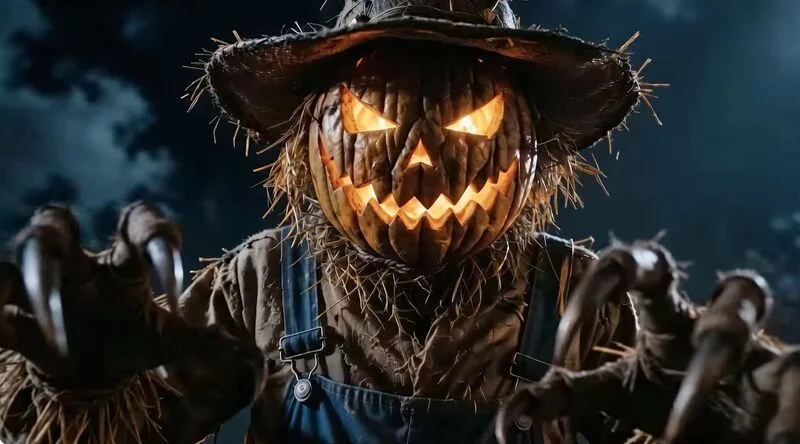
Fanta just dropped a Halloween cinematic universe, because apparently every soda needs its own Avengers now. I watched it twice, and I still have no clue it was supposed to make me crave orange fizz.
It kicks off with a dramatic 'Fanta presents' title card, like they're about to show you the next Marvel movie, and then immediately dares you to keep up. We've got a pumpkin-headed evil scarecrow, a Twinkie vampire who apparently moonlights as a Fast & Furious extra, a cyborg Frankenstein, and a Coachella werewolf DJ, all brawling across the city for a magic elixir that controls the living and the dead. And the AI feels like it was done last year. How many fingers should a pumpkin demon have? Coca-Cola says this is their big 'entertainment platform,' which is a fancy way of saying they're tired of renting Chucky every Halloween and want their own monster squad.
Honestly, the strategy isn't half bad. Renting M3gan and Beetlejuice every October is like paying for a haunted timeshare you never actually own. Building your own monster IP? That's the dream. But this is a true monstrosity. There's nothing refreshing, nothing tasty, and not a single drop of soda in sight. Just monsters taking themselves way too seriously, fighting over an 'elixir.' A bold word choice for something that's neon orange and causes diabetes.
The soda does finally show up. At the very end, two homeless-looking guys tap cans of Fanta together. That's the payoff. Two minutes of monsters and magic, and the one human moment they give the actual drink is that. Whatever they were going for, it isn't refreshing, it isn't a party, and it isn't a reason to buy a Fanta.
Oh, and there's a dog licking a pumpkin-headed kid, because why not? That's the kind of scene you get when everyone in the editing room is smoking pumpkin seeds: 'Sure, leave it in.' Hmmm? An elixir with the power to control the living and the dead, and it still couldn't get me to want a soda.
Wake Up and Smell the Discontinuation
Dannon just killed off its coffee yogurt. Turns out it had a cult following. One guy told the Wall Street Journal it's "what I got out of bed for" after eating it daily for decades. There's a petition now. Nearly 900 signatures, all fighting for a yogurt.
Coffee yogurt didn't get worse. It just got stuck between two categories that both left it behind. Yogurt went all in on Greek, high protein, low sugar. Coffee went all in on cold brew and canned everything. A small, devoted fan base got mistaken for a weak SKU, and out it went.
I've watched this exact drama play out before. Early in my career, I worked on a Pepsi campaign, and Pepsi Kona was the coffee-flavored cola we tested. Built on Pepsi's relationship with Starbucks, marketed with real ambition, gone within a year. The verdict from consumers was blunt. Nobody wanted their soda to taste like a latte.
Coffee flavor is oddly picky about where it's welcome. It's perfectly happy in ice cream. It struts around in tiramisu. It shows up in coffee cake looking pleased with itself. But hand it a can of cola or a cup of breakfast yogurt, and suddenly people revolt.
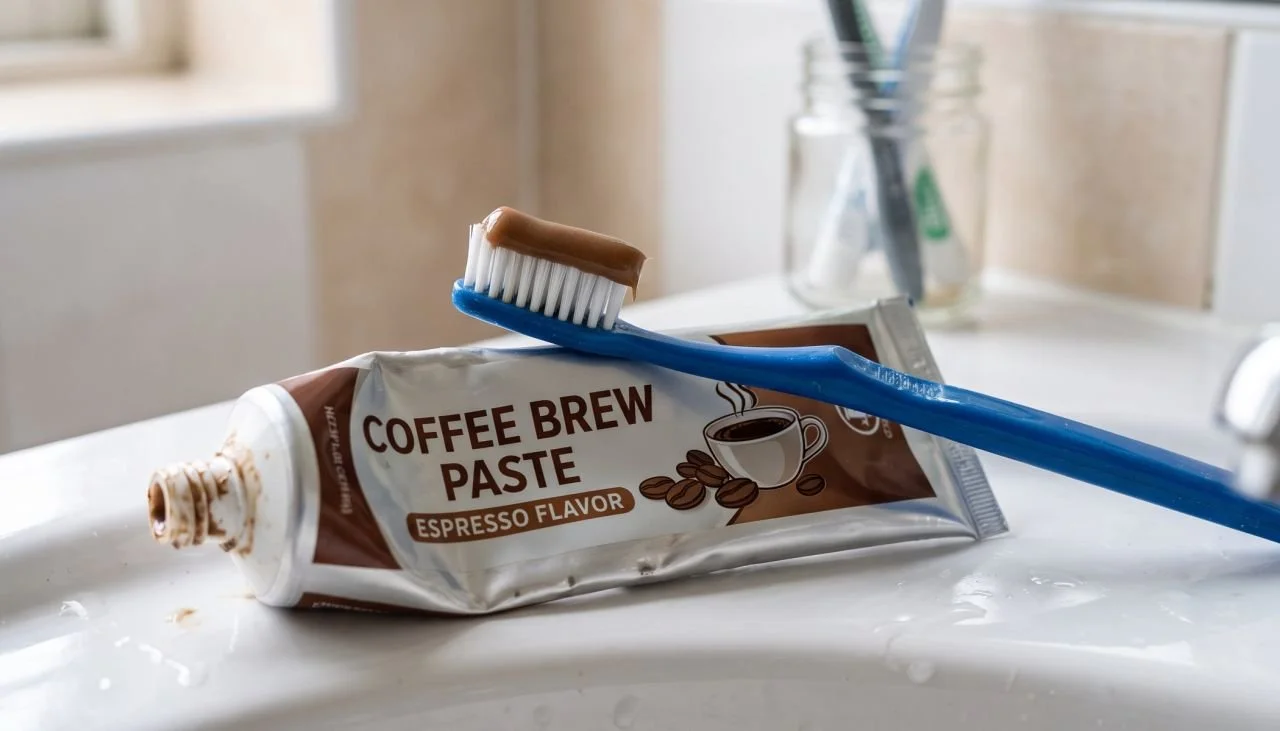
Same flavor, wildly different reception depending on the outfit it's wearing. Somewhere, a brand manager is about to greenlight coffee-flavored toothpaste and call it a disruption.
Unsung Design Heroes: Vol. 1 - George Huerta
You've seen Gerard Huerta's work a thousand times over, probably on a record sleeve, a T-shirt, or a magazine at the checkout, and it's very likely you've never actually heard of him.
He grew up in Southern California, graduated from Art Center, and went straight to CBS Records in New York, where he drew logos and cover art for Boston, Willie Nelson, Bob Dylan, Blue Öyster Cult, The Isley Brothers, George Benson, Ted Nugent and a long list of others.
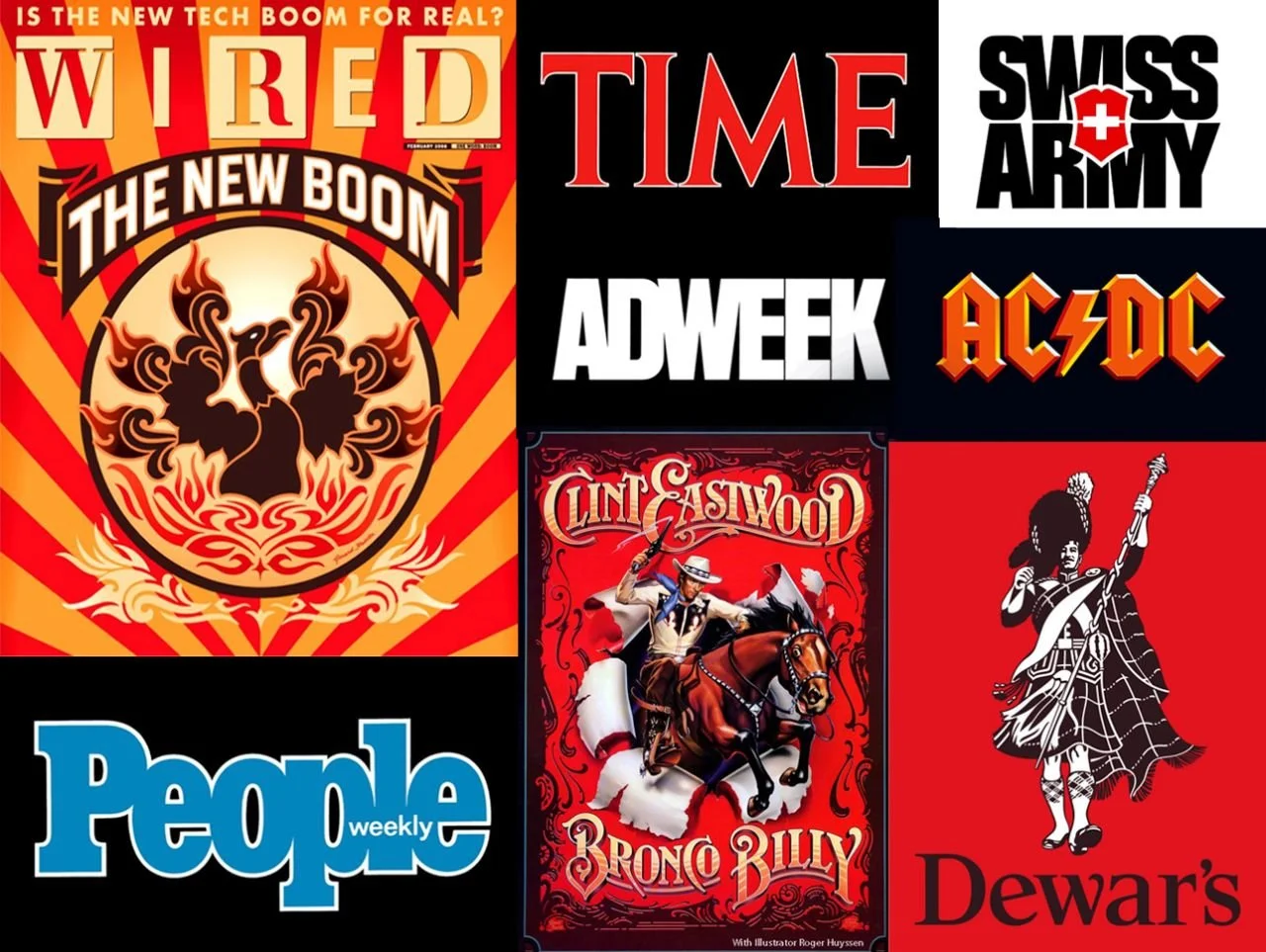
After CBS, he lettered AC/DC's High Voltage and Let There Be Rock. The lettering from that second album became the lightning bolt logo, which has outlived most of the bands it once shared record bins with.
Then came film and sports. With Roger Huyssen, he branded Clint Eastwood's Bronco Billy and Super Bowl XXVIII. On his own, he lettered Coal Miner's Daughter and Friday the 13th Part III, did the one-sheet for Star Trek III, and spent ten years creating the theme art for the Breeders' Cup.
He also drew the mastheads you read without thinking about them: Time, People, Money, The Atlantic Monthly, Architectural Digest, Condé Nast Traveler, Adweek. He built full corporate alphabets for Pepsi, Time-Life and Condé Nast, designed logos for HBO and Calvin Klein's Eternity, and spent fourteen years designing every watch dial in the Original Swiss Army line.
His work sits in MoMA's permanent collection. He also built the Rock Ock, a multi-necked guitar you can actually play, for the National Guitar Museum.
Great lettering is supposed to disappear into the brand, so it's on us to ask who drew it.
Each week I'll introduce a designer or art director whose work you know better than their name. Start here: https://lnkd.in/g7jhwkSg
Albertsons Made a Taco Show
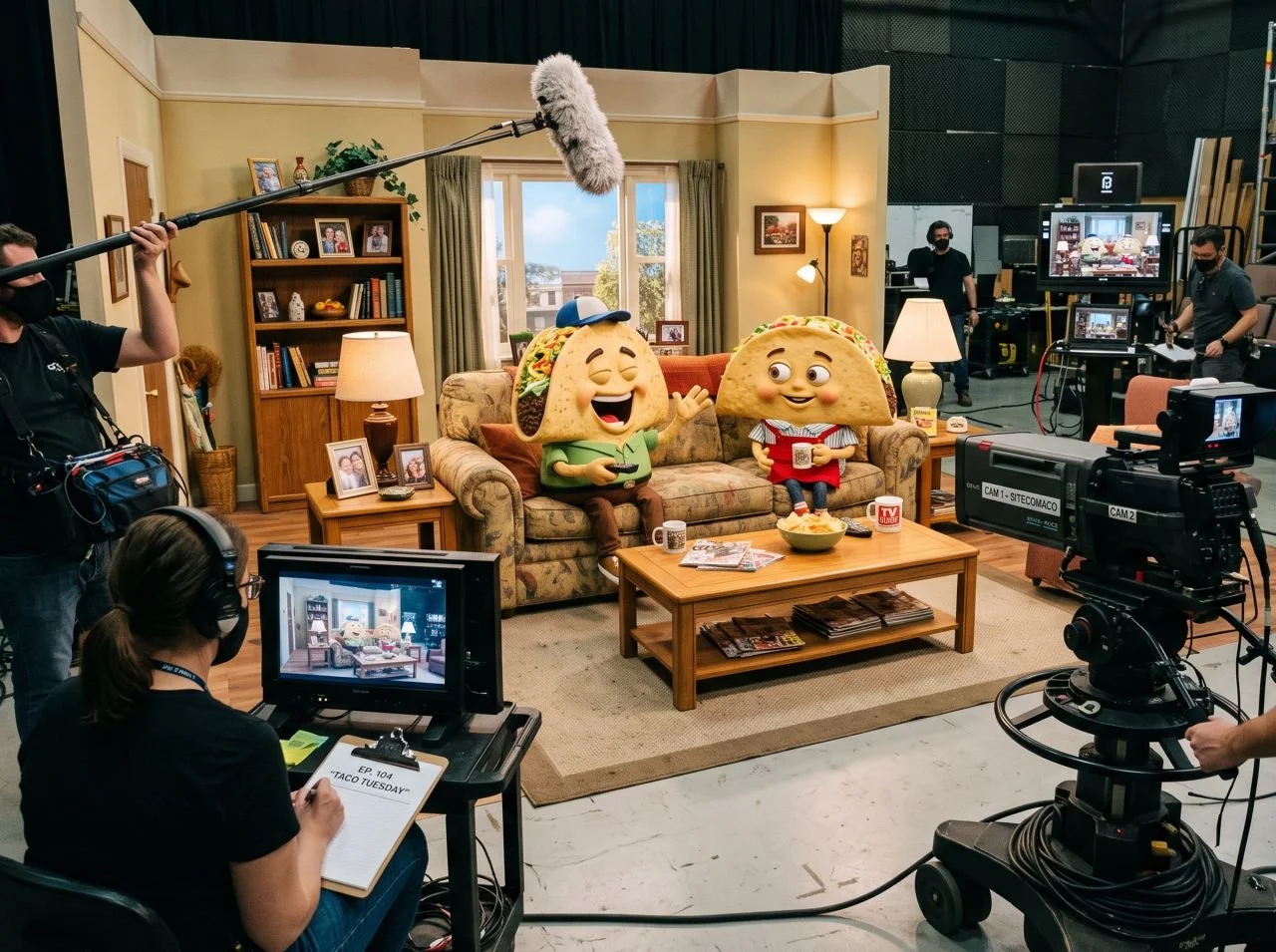
Adweek covered this a while back, and I still can't stop thinking about it. Retail media used to be all about the data. They knew you bought frozen pizza at 2 a.m., they knew about that slightly embarrassing coupon, and they'd put your ad right next to the shelf like a VIP pass. It worked so well that every store with a loyalty card suddenly needed its own media network, because who doesn't want more ads with their groceries? A reboot of "Everybody Loves Ramen"?
Now the data isn't enough, and everybody wants to be Spielberg. Albertsons went full Hollywood with Rico's Tacos, a 22-episode branded series made with P&G and built off its shopper data. Instacart has its own in-house studio making ads for the brands it sells. Walmart and Amazon are pitching creative too.
My guess is they hit the same wall everybody hits eventually. When every retailer has the same targeting, the targeting stops being special, and somebody still has to make a thing people actually want to watch. No amount of cart data does that for you.
My favorite part of the article was the admission that most of this is still an experiment and nobody knows yet if it sells more stuff. You don't hear retail media say "we're not sure" very often.
If I were on the brand side, I'd be asking who the work is really for. The grocer knows your customer's cart better than you do, sure, but it doesn't know your brand, and it would love for every ad to be about shopping at its store. I'd want someone in the room protecting the brand and not the cart.
The shelf used to be the last stop before the sale, and now it wants to write the ad too. Mr. Whipple went from squeezing the Charmin to running the writers' room. Who knows, maybe they're hiring, and if the taco show gets a second season, I've got notes.