
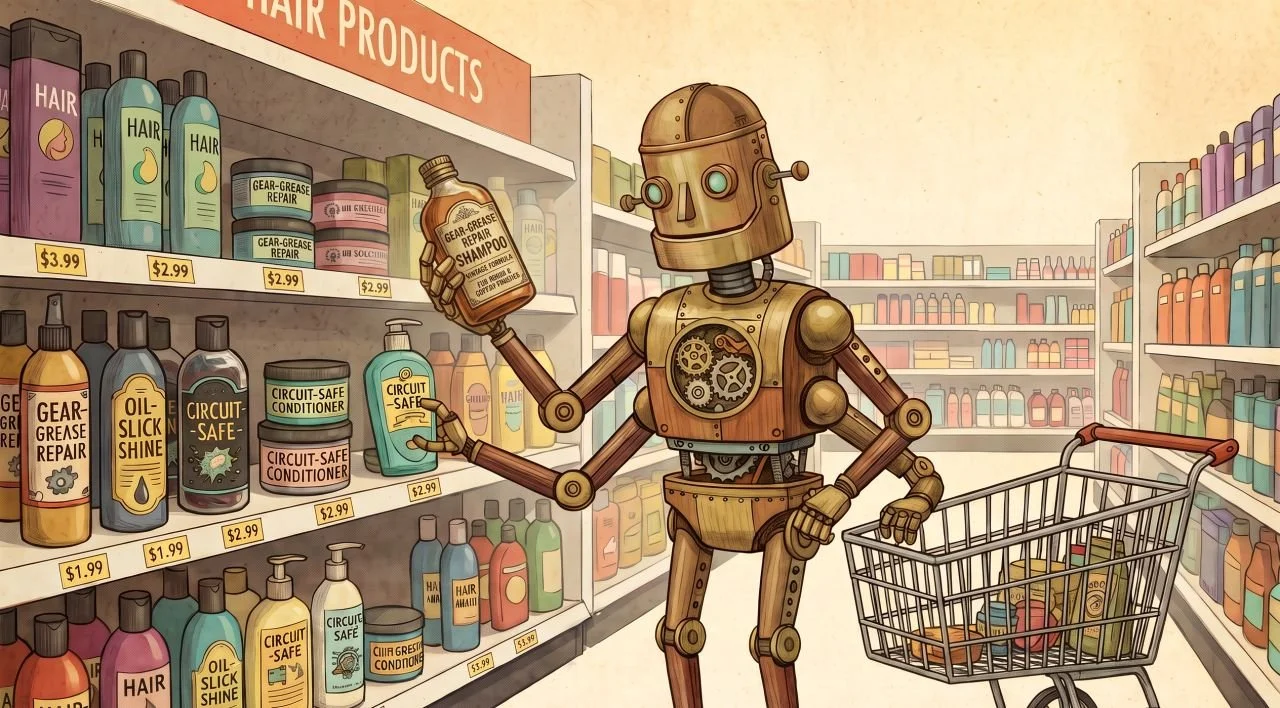
Fresh stats from Checkout.com: 57% of people would let an AI shopping agent dump their favorite brand for a better deal. That’s more than half the crowd, vanishing faster than you can say 'promo code,' all because a robot found a shinier price tag. Yikes.
We spent decades building the thing that stat just deleted. The color system. The tone of voice. The manifesto nobody outside the client ever read. All of it designed for that sacred moment: a real, live human at the shelf, picking you over the other guy because it just felt right.
Now? The human’s out and in walks the agent. No feelings, no grudges, no crush on your logo. It scans the specs, sniffs the price, and swipes left.
The part that should worry us is the agent isn’t your nemesis. Indifference is. That 57%? They were never really yours. But the folks who tell their robot, "Get me this brand, not the bargain special," have made up their minds before the shopping even starts. No Jedi mind tricks required.
That’s the new game. Forget winning the checkout, win the command.
Brand used to be that gut feeling at the shelf. Now it’s the magic word someone types before their digital minion goes shopping. Same brief and job as always; it just moved from the shelf to the search bar.
A Bunch of Dummies Made the Best Ad of the Month
Meta dropped another AI image thing. Amazon wants you to buy socks without ever leaving the ad. Eight million advertisers are now generating creative with a prompt. The ad industry is in the middle of an all-out rush toward automation and efficiency, with tech platforms pushing AI tools that promise to make marketing faster, cheaper, and bigger.
But the ad everyone actually watched this past few weeks? Not a robot in sight.
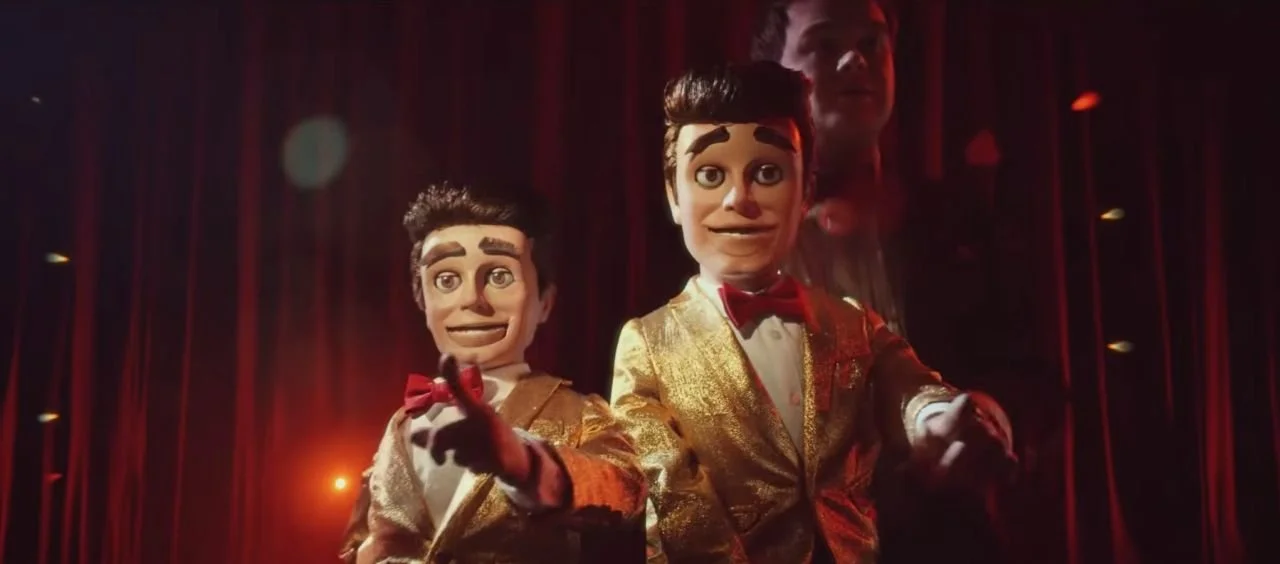
Two ventriloquist dummies belting out Nelly and Kelly Rowland’s ‘Dilemma.’ All shot in-camera, almost no post. Just a guy munching a Twix while his puppets absolutely murder a 2002 R&B banger. (The sax solo is my favorite part.)
Shoutout to adam&eve\TBWA for building ‘Double Act’ into a global campaign and still betting the farm on one gloriously weird idea.
While the whole industry is busy firing humans and worshipping the algorithm, these maniacs strapped a sax solo and fireworks to a wooden dude’s lap and made the internet actually pay attention.
Craft still travels. Turns out the shortcut wasn't the point.
Happy Pride Month! As someone who’s spent over 20 years in advertising, I can’t help but look at brand mascots and think, "Hmm?"
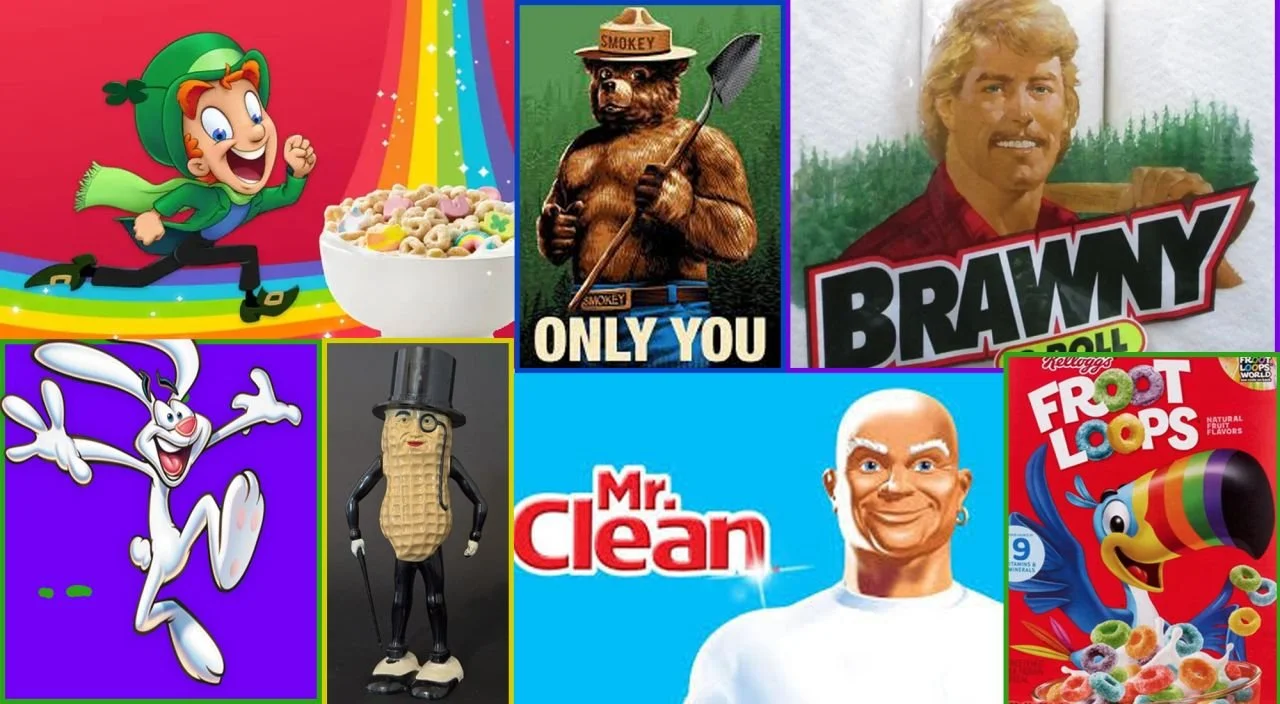
To celebrate June, I want to officially welcome these advertising icons to a community I believe they’ve been part of for years.
Mr. Clean: The earring, the white tank, the biceps, and his insistence on spotless homes. He’s been a mysterious, muscular man hanging out in kitchens with women since 1958, never causing any trouble. We all know the reason.
Smokey the Bear: A lone bear living in the woods, passionate about fire safety and pitching tents. He’s been shirtless in his classic jeans and hat since 1944. Truly an icon.
The Brawny Man: Flannel shirt, rolled-up sleeves, and always ready with a roll of paper towels that can handle any mess. He’s the one you call when you spill the tea.
Toucan Sam. The rainbow nose. The rainbow trail. The voice. “Just follow my nose. It always knows.” Honey, we’ve all known for years.
Lucky the Leprechaun: Small, sparkly, dressed in velvet from head to toe, and living in a rainbow. His catchphrase is "magically delicious." He’s probably had Grindr open for fifteen years and still can’t believe everyone’s just after his charms.
The Trix Rabbit: Wide-eyed, eager, and willing to do anything for a neon-bright bowl of sugary cereal that kids insist is theirs. He might be at brunch, but he definitely just left the clubs.
Mr. Peanut: Top hat, monocle, cane. Truly a salty old queen.
Happy Pride to everyone, branded or otherwise. If I missed an icon, the comments are open, and I trust your reading.
The Prophet of Profit: What Sir Martin Sorrell Revealed at Cannes.
The man who built the entire holding-company machine sat through a week of rosé and panic and watched the industry hold its fourth vigil on whether AI can love a tagline. Then he more or less said: adorable, truly, but while you're all weeping over the craft, the profit is quietly slipping out the fire exit.
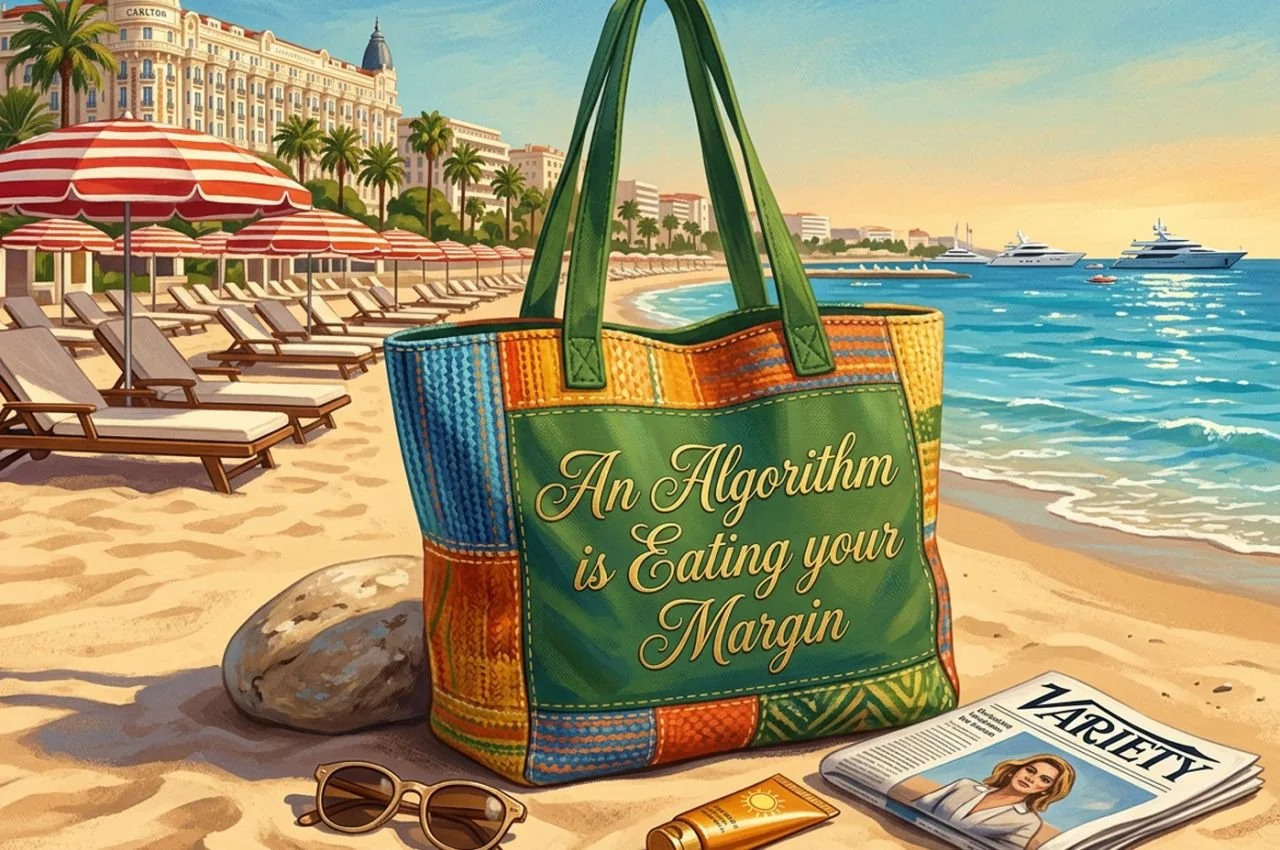
His actual take, from The Drum, is that the whole AI-versus-creativity debate is a rabbit hole. The real action is media planning and buying, the gut source of profit, the unsexy back office that keeps the lights on. No one wants that keynote. "An algorithm is eating your margin" doesn't look great on a fancy tote bag.
Someone had to get thrown in the volcano. Guess who? Not the media buyers and planners. Us. Creatives got the layoffs, the job reposts asking for a "prompt-fluent visual storyteller" at 40% of last year's salary, and countless people explaining our extinction to us in full Attenborough voice, hushed and reverent, like we won't make it to spring.
And then Sorrell, patron saint of following the money, accidentally gives us the thing we've been begging someone to say. Once everyone owns the same models and runs the same personalization at scale, the only thing left that makes a brand stand out is human creativity. Thank you, sir.
So the whole panic was sleight of hand. Keep the creative department sweating under the lights. The margin went up a sleeve while everyone applauded.
We weren't just the casualty. We were the distraction.
Surprising Sales Spike: Subaru’s Sapphic Sisters Storytelling Succeeds Spectacularly
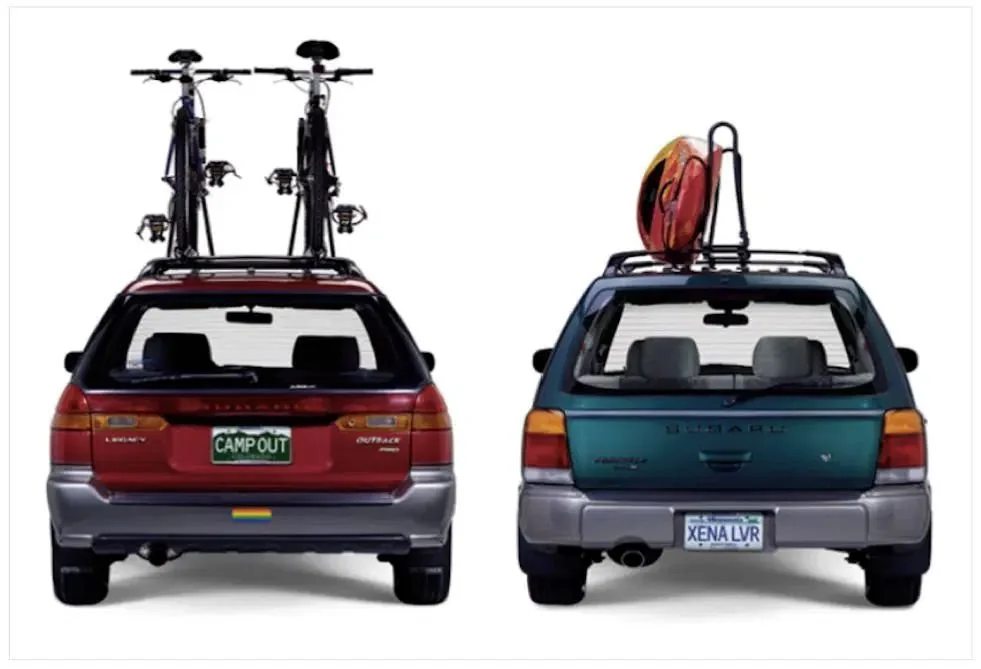
Happy Pride Month. Are we all familiar with the story of the "Lesbaru"?
In the mid-1990s, Subaru’s marketing strategy collapsed unexpectedly.
A major ad agency tried to revive Subaru by focusing on the car’s 140 MPH top speed, but their tagline missed the mark. Subaru quickly let the agency go.
What happened next quietly changed advertising.
Instead of chasing the typical 18-35 demographic, Subaru focused on smaller groups who already liked their cars: teachers, healthcare workers, and outdoors enthusiasts.
Then, they discovered lesbians—four times more likely than average to buy a Subaru, drawn by the cars’ reliability, practicality, and even the name. Subaru is Japanese for the Pleiades constellation, also known in English as the Seven Sisters.
In 1995, openly marketing to gay customers seemed risky—Ellen DeGeneres hadn’t come out, an IKEA ad featuring a gay couple caused outrage, and the "Don’t Ask Don’t Tell" policy was just introduced.
But Subaru’s Tim Bennett and Tim Mahoney decided to try anyway, hiring a small agency focused on the gay market. Mulryan/Nash created ads with playful double meanings, license plates like "Xena LVR" and headlines such as "Get Out. And Stay Out." or "It's Not a Choice. It's the Way We're Built. Most straight viewers missed the cues, but the gay community noticed and loved them.
Subaru sponsored Pride, launched the Rainbow Card to support LGBTQ causes, and hired Martina Navratilova as their spokesperson, bringing things full circle for her after being outed early in her career.
When conservative groups threatened boycotts, Subaru noticed the critics had never bought their cars anyway—some even misspelled "Subaru."
The car earned the nickname "Lesbaru." Sales grew steadily, and what was once called "sturdy, if drab" became beloved. Bennett, Mahoney, and Mulryan/Nash didn’t just add a rainbow for Pride—they built real, lasting support with a community that already cared about their brand. That’s the real lesson.
Happy Pride. And if you're wondering what the second-most-popular lesbian vehicle is, it's a U-Haul, but that's usually rented.🏳️🌈
This week in Cannes, thousands debated the future of AI in creativity. The winners were a barcode painted in grass and miniatures of coffee shops.
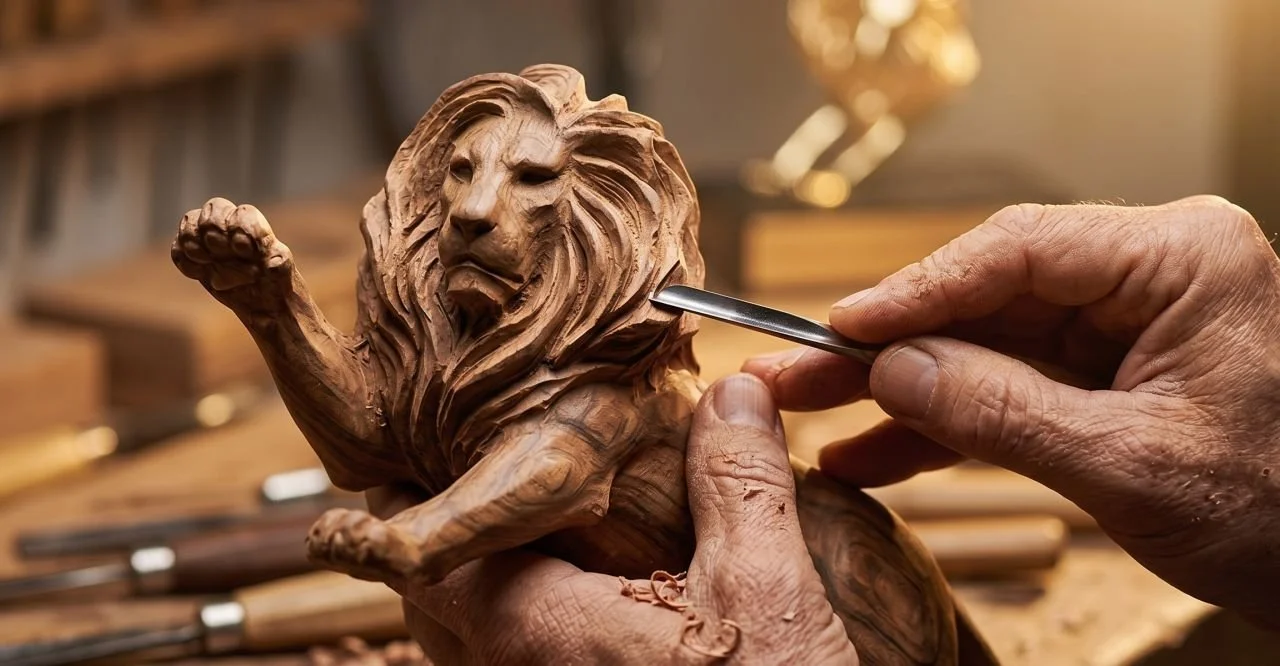
The Design jury called Apple TV's winning rebrand "a beautiful rebellion" against the tech obsession. The Craft jury said De'Longhi's handmade cafe miniatures reconnected them with "the ability to feel like children again." A Peruvian soccer club put 1,000 small business logos on a jersey instead of one big sponsor and walked away with a lion.
This wasn't anti-technology. Google took a Grand Prix for Project Genie. But one of the festival's most celebrated works was built by the miniature supervisor from "The Grand Budapest Hotel" and his team. They transformed coffee machines into tiny global cafes. Absolutely beautiful in its details.
The biggest creative festival on the planet just ran the most expensive A/B test in advertising history. And here's what the juries were actually saying: when AI makes production cheaper and faster, evidence of human intention becomes the scarce thing. And scarcity gets more expensive than a cocktail at Cannes.
Human-made isn't making a comeback. It’s luxury with a mix of nostalgia, like vinyl records.
So what’s the plan for the rest of the year? One glorious, hand-glued masterpiece for the awards, and then let AI pump out the rest for pocket change? Is that really where we’re headed, or is someone about to flip the table? Albeit a tiny little miniature table.
Stay Thirsty, My Friends: Suds and Subtext, a Pride Month Investigation
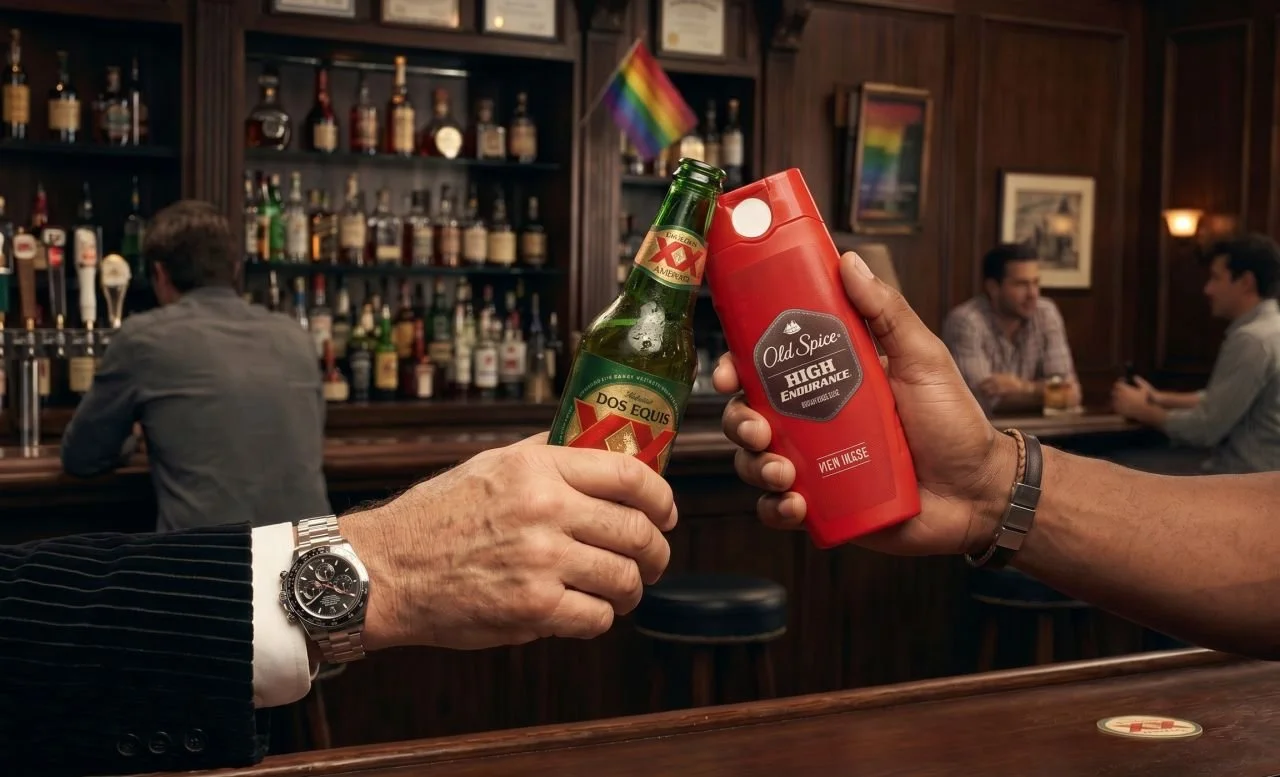
The Most Interesting Man in the World. Linen suit, beard groomed within an inch of its life, a voice narrating his own legend like a documentary about a man who doesn't exist. He never looked like he wanted a woman. He looked like he wanted an audience.
Then there's Old Spice. Towel drop, oysters turn to diamonds, "look at your man, now back to me." Less a man selling body wash, more a man fully aware he's being watched, and performing for the room.
For the record, I love both of these campaigns. Genuinely funny, genuinely unexpected, the kind of work that makes you wish more brands had the nerve to be this weird.
Both campaigns? Camp cranked up to eleven. But did the folks behind them know what they were doing, or did they just flex so hard on masculinity that it boomeranged into pure theater? Was this a deliberate wink, or did "stay thirsty" and "look at your man" just happen to land in the same place by coincidence?
So who was the real audience? On paper, straight men buying beer and body wash. In practice, the campaigns also landed hard with anyone fluent enough in performance to catch the wink before it caught itself. Whether that wink was intentional or just sincerity pushed past its breaking point, I genuinely don't know. But, believe me, it was noticed.
Happy Pride. Stay thirsty, stay confused, stay watching the towel drop.
The Art of Never Staying in Your Lane: David Hockney's Lasting Lessons
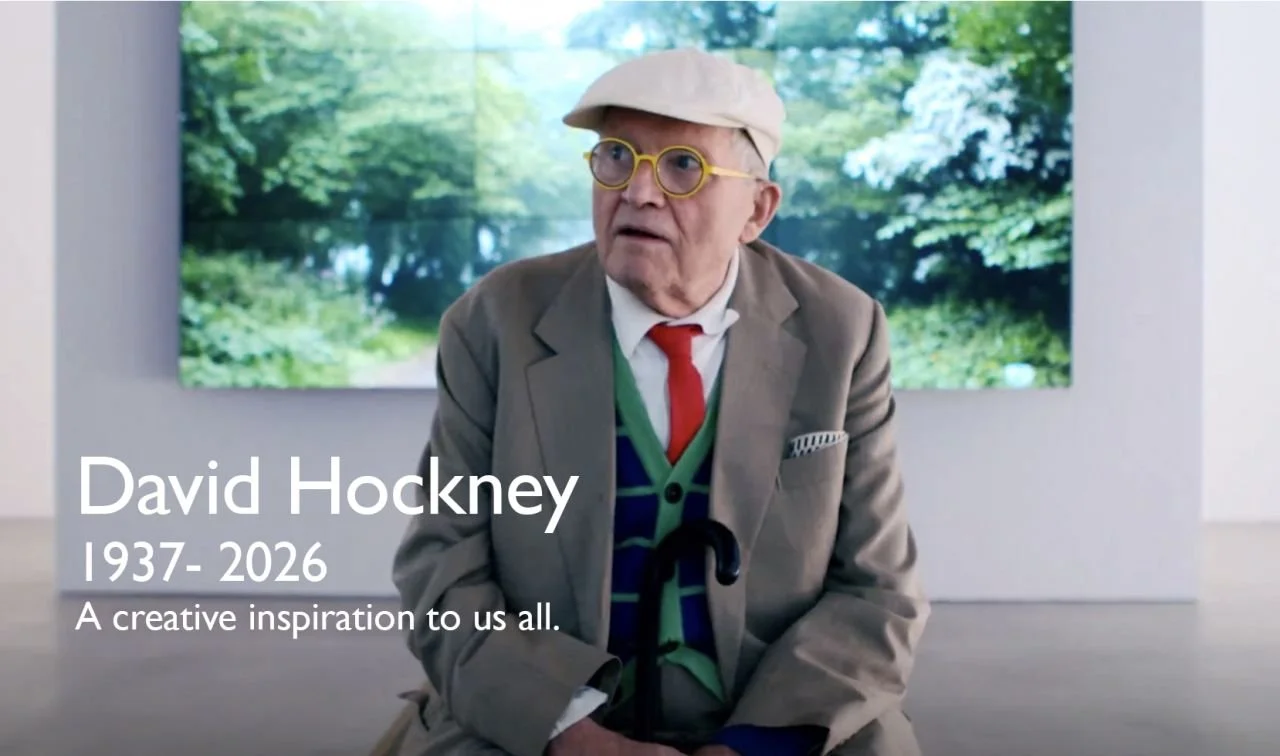
David Hockney left us last week at almost 89, and all I can think is: the man never hit cruise control. Not once.
For us, every day there's a new gadget, a new platform, a new AI that promises to do our job better than we can. It's easy to wonder, "Will I miss the boat?" Hockney? He was always the guy waving from the deck, telling us to jump in.
He spent his whole life being unapologetically himself. By the time he hit 30, he was already a fixture of the swinging 1960s art scenes in London and LA, openly gay decades before "representation" was a buzzword, and his pool paintings were on their way to becoming icons of the century. Most artists would've spent the next sixty years coasting on that. Not Hockney. In his 60s and beyond, when most artists take victory laps, he became obsessed with fax machines, photocopiers, and digital cameras.
When the iPad came out, he was one of the first major artists to take it seriously as a real medium rather than a gimmick. In his eighties, he made a ninety-meter panoramic iPad painting inspired by the Bayeux Tapestry.
In 2023, at 85, he turned an entire building into a canvas with Bigger & Closer at Lightroom in London, animated chapters of his work projected wall-to-wall, with his own voice walking you through his process.
And in 2025, at 87, he debuted brand-new paintings responding to Munch and Blake as part of his largest retrospective ever, with over 400 works at the Fondation Louis Vuitton in Paris. (Lucky enough to catch that one in person, and it's everything you'd hope for and more.)
He once said tools don't make pictures, people do. But he sure loved getting his hands on new tools anyway.
That's the real magic trick: a legend with nothing left to prove, still chasing the next weird angle, never afraid to look a little ridiculous. That's how you stay interesting.
Rest easy, David. Cruise control was never really your speed.
A few links if you want to go down the rabbit hole:
iPad drawings overview: https://lnkd.in/gPBnqTsx
A Year in Normandie and recent exhibitions: https://lnkd.in/gtM6X-_r
The Fondation Louis Vuitton retrospective: https://lnkd.in/gGuAW2ZC
Obituary: https://lnkd.in/gDfEYifz
The Best Ad in the World this Year was an Ad about Not Having Ads.
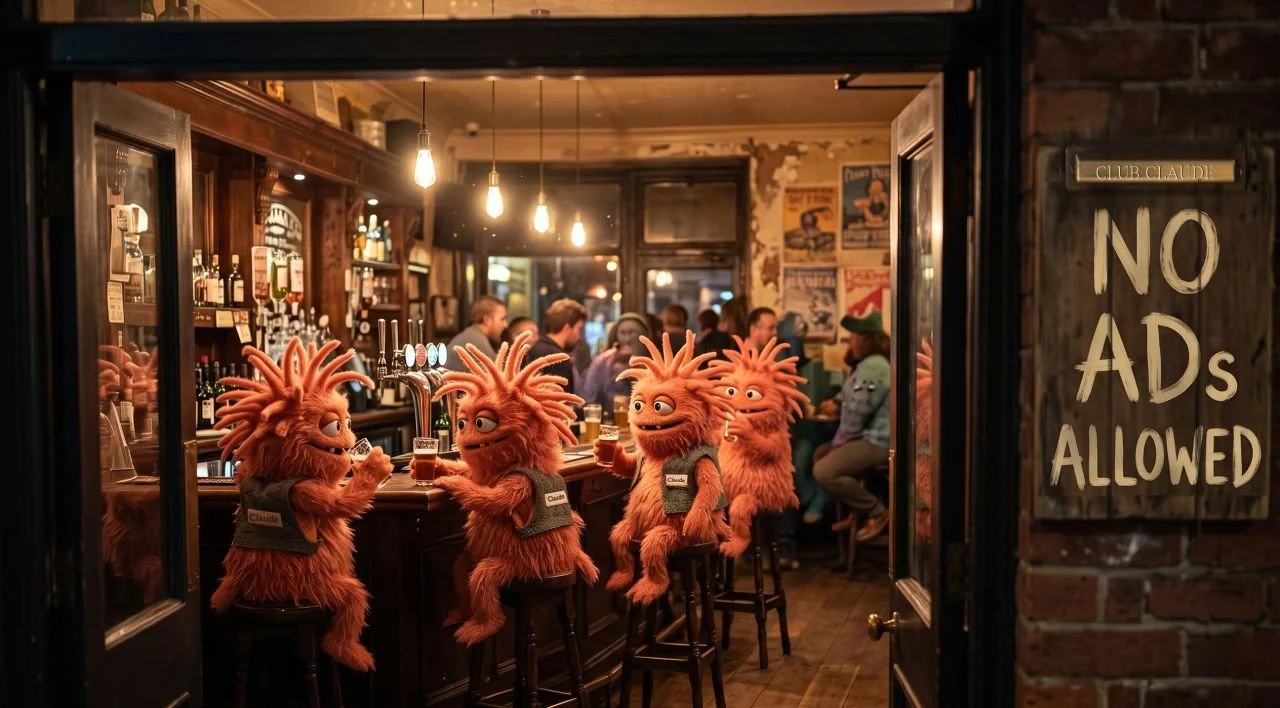
Mother London’s Super Bowl spots for Claude just strutted out of Cannes with the Film Grand Prix trophy. The tagline? ‘Ads are coming to AI. But not to Claude.’ Sam Altman had a meltdown on X and called it dishonest, which is basically like scolding a billboard for having too much attitude.
Then OpenAI crashed its first Cannes and blurted out the secret on stage. ‘We are clearly in the advertising business now.’ 900 million weekly users. 20% of them ready to buy something. Ads running wild in seven countries. $2.5 billion on the scoreboard this year.
In June, they announced they’re bringing in third-party measurement partners. Because advertisers want to make sure their precious impressions aren’t just imaginary friends at a tea party. Shocked by made-up numbers? Please, act surprised.
The tech that was supposed to kill advertising has spent eighteen months Frankensteining it back to life. Inventory. Placements. Commercial intent scoring. And now, an audit trail, because nobody trusts a platform that marks its own test.
Kudos, us. We’ve reinvented the banner ad, except now it’s got a philosophy degree and wants to debate the meaning of click-through rates over oat milk lattes.
So how does the ad-free rebel keep the lights on? Not with your precious eyeballs. Anthropic makes its money selling the model itself, with companies tossing coins by the token so Claude can flex inside their own products. Enterprise and API? That’s 80% of the treasure chest. The consumer chatbot everyone’s bickering about is just a rounding error. Ad-free isn’t a holy quest. It’s a business model that never cared about your attention anyway.
Eighteen months ago, everyone said AI would whack the ad model. Turns out, the ad model just got a shiny new VIP pass.
The Internet Turned into a Circus of Fakes. Meanwhile, Real Life started Throwing the Best Parties.
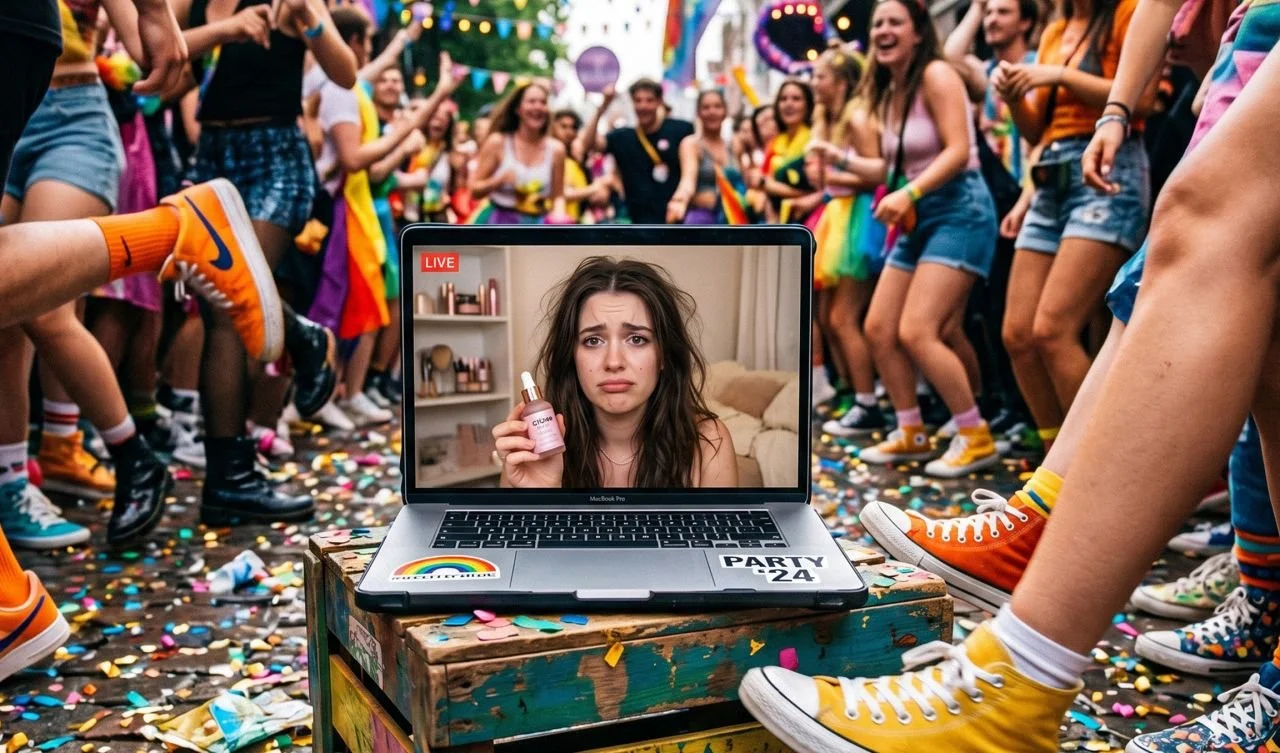
ou want to blow minds? Show up in the flesh. That’s the real plot twist.
Forget the campaign. Forget the endless content series. Forget those AI videos with mutant hands and shadows that look like they’re on a bender. I’m talking about a real, live human, in the wild, handing you something you can actually hold.
We spent the last two years flooding every feed with generated content. Faster, cheaper, infinite. And somewhere in that sprint, we forgot that people are deeply, biologically wired to trust what they can smell, taste, and stand in line for.
The numbers are hard to ignore. Pop-up retail hit $132 billion in 2024. Three out of four Fortune 1000 companies are throwing more cash at real-life experiences in 2025, because physical activations crush digital ads when it comes to making people actually like your brand.
And the work is getting genuinely spectacular. Last week, HBO Max flew a 26-foot replica of Syrax from House of the Dragon over the Tower of London to launch Season 3. The model had 23 moving parts and took 3,000 hours to build. The free publicity alone was worth it.
Right now, the World Cup is turning into the biggest experiential marketing moment in years. Dove Men+Care is running immersive Ritual House activations in host cities across NYC, Miami, and Kansas City. Adidas launched its Home of Soccer initiative in New York to bring athletes, creators, and fans together through live events. Stella Artois, with David Beckham, is positioning entirely around the social ritual of watching together rather than the match itself.
These aren’t just stunts. They’re brands showing they’re still kicking and fighting for attention.
"AI slop" was Merriam-Webster's 2025 word of the year. Gallup says trust in media is at an all-time low. People don't just want authenticity as a brand value. They want to feel it in their bones.
The marketing jungle got so thick, everyone’s lost. Now, the open clearing is the hottest party in town.
The brands betting on real-world presence right now? They’re about to look like absolute geniuses in a year. What are your favorites so far?
Andy Warhol. Keith Haring. A Bottle of Vodka. And the Ballsiest Marketing Strategy of the 20th Century.
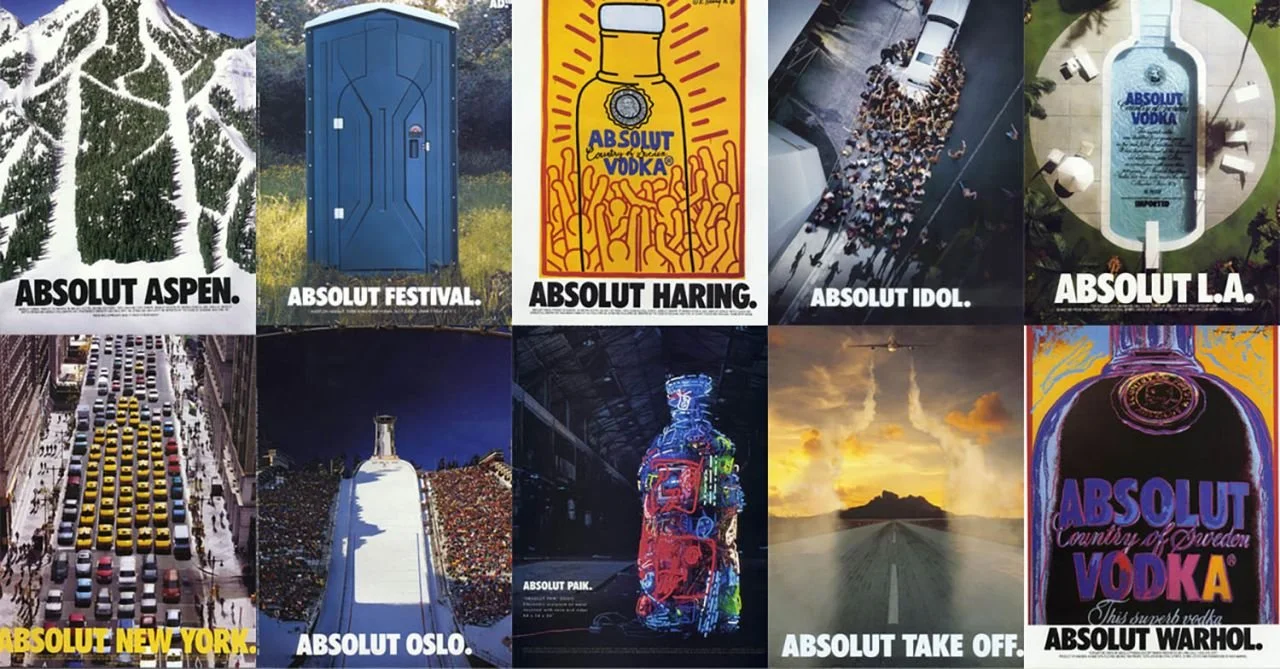
Many of us remember this campaign, but here's a bit more of the story.
In 1979, a little-known Swedish vodka brand landed in New York with no name recognition, no cultural foothold, and almost no shot at cracking the American market.
So they did something nobody else was doing.
Their distributor was a regular at clubs like Studio 54 and noticed that no brands were talking to the gay market. So he started getting bars to stock the product, building consumer demand one conversation at a time.
In 1981, Absolut became the first mainstream brand to commit to full-page ads in gay media outlets like The Advocate and After Dark. Same ads they ran everywhere else, but with serious money behind reaching a gay audience when most brands feared it would alienate their mainstream customers.
Then they went further.
In 1985, Andy Warhol became the first artist commissioned to paint the Absolut bottle, kicking off one of the most successful advertising campaigns of the twentieth century. Warhol personally suggested artists for what came next. In 1986, Keith Haring, a gay artist and AIDS advocate, created an Absolut ad. To the general public, it was an underground painter's work. To the gay community, it was a signal.
Over the years, more than 350 artists were commissioned to interpret the bottle. A survival strategy for a brand nobody had heard of became one of the most durable partnerships between a corporation and a community in advertising history. They went from selling 20k cases a year in 1981 to over 4.5 million in 2000.
Fast forward to 2026. Absolut is partnering with four of the UK's biggest Pride events this summer, in Manchester, Leeds, Blackpool and Glasgow. Same brand. Same conviction. Forty-five years later.
There's a reason creatives talk about Absolut when they talk about what brave brand building actually looks like. They didn't wait until it was safe. They showed up when it cost something.
That's Absolut Allyship. Subaru (from my past post) and IKEA were also early standouts in LGBTQ+ marketing history. Apple, Benetton, Adidas, Converse, Starbucks, Levi’s, and even Disney have also had notable campaigns. Who am I missing?
Demand Chases the Click. Brand Owns the Citation. The Hard Data Is In.
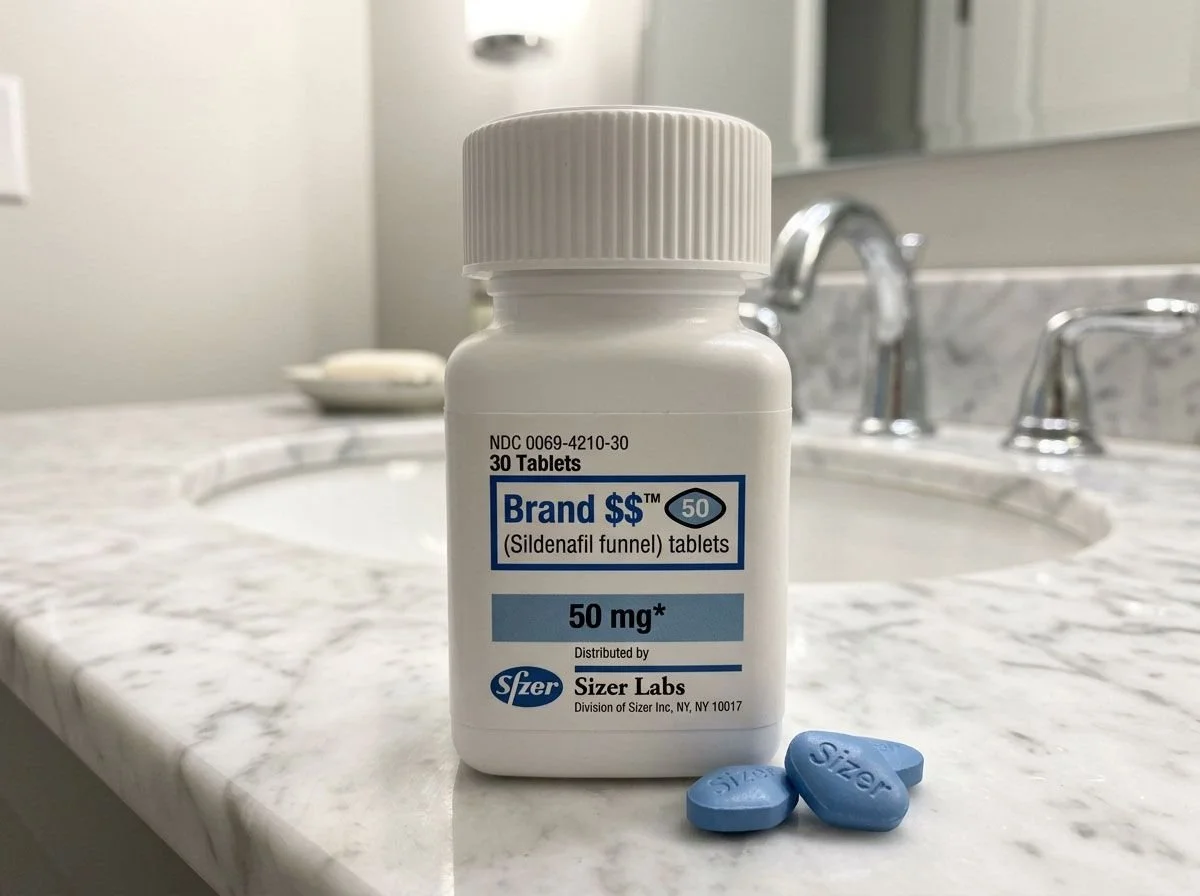
After 20+ years building brands in tech, I finally have data to back up what I've been saying forever. "Brand trust is no longer a soft metric."
And I say that as someone who has spent years working with CMOs to build the case they need to walk into that room with the Head of Sales and Finance and come out with a brand budget still solid enough to make an impact.
You know that meeting, the one where brand is the first line item threatened, and someone demands, "Show me the pipeline or cut it." This is where the argument for brand becomes critical."
Here's the proof we've always needed:
Brands cited in AI search results earn 35% higher organic CTR and 91% higher paid CTR than brands that aren't. (Seer Interactive)
62% of enterprise brands are currently invisible to AI models, despite heavy investments in SEO and performance. (ALM Corp, 2026)
62% of consumers already trust AI recommendations for brand decisions. (Yext, 2026)
AI search just became the world's most unforgiving brand audit.
AI systems don't cite brands they don't trust. They skip companies with vague positioning, inconsistent messaging, and content that reads like it was written by a committee after three rounds of legal review. Every shortcut you took with your brand is now part of the AI model.
The tech brands I’ve seen succeed over the years all had one thing in common: they knew what they stood for, even before they had the budget to promote it. The ones that struggle keep rebranding every 18 months, hoping a new logo or slogan will solve their positioning issues. It never does.
While Sales chase leads, Brand trains ChatGPT and other LLMs on which companies to trust.
So next time your CMO heads into that meeting, share this with them. Brand isn't the enemy of growth. It's what fills the funnel when your ads stop running.
Turns out Brand is the performance enhancer that Sales needs to keep their numbers up.